



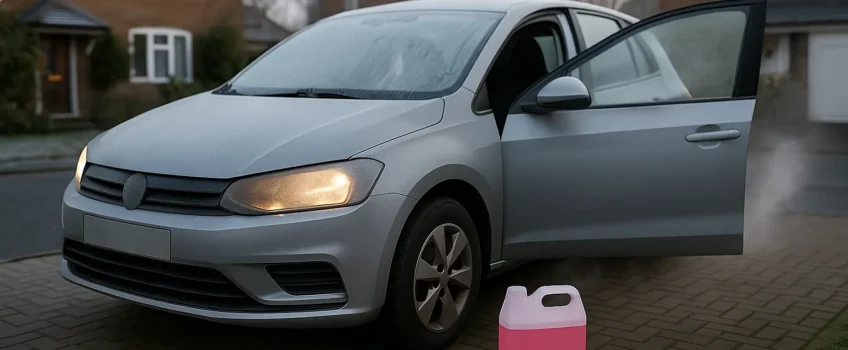
What Is Antifreeze Coolant and How Do I Use It?
If you’ve ever spotted a low-coolant warning on your dashboard or noticed the coolant tank looking a little emptier than usual, you’re not alone. Antifreeze coolant is one of the most important fluids in your vehicle, yet it’s also one of the least understood. Many drivers only think about it when something goes wrong, like overheating, leaks or steam from the bonnet but your antifreeze coolant plays a vital role every day. Whether it’s freezing in February or scorching in August, you should never overlook antifreeze for your car.
This guide breaks down everything UK drivers need to know about antifreeze coolant: what it is, how it works, how to top it up safely, and the signs that something’s wrong. Whether you’re new to owning a car or simply want to avoid an expensive breakdown, this article will help you stay ahead.
What Is Antifreeze Coolant and Why Does Your Car Need It?
Antifreeze coolant is a specially formulated liquid that regulates your car’s engine temperature. It prevents the water in your cooling system from freezing in winter and overheating in summer, ensuring your engine runs at a stable temperature year-round.
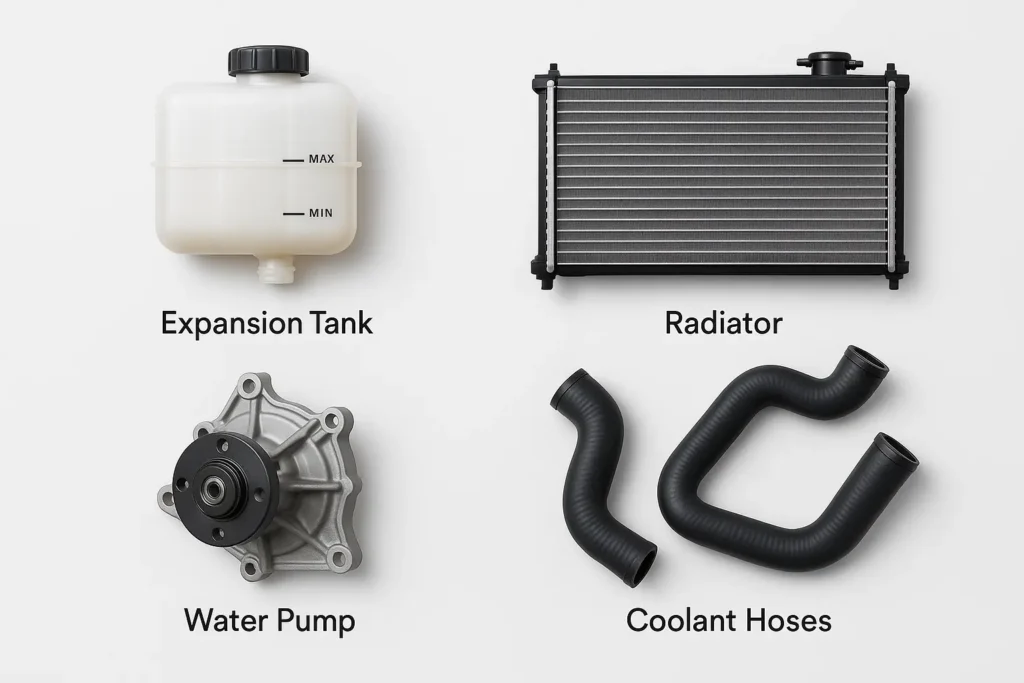
Inside your engine, temperatures can rise well above 100°C. Without the right antifreeze coolant mixture circulating through the radiator, hoses, and engine block, the engine can quickly become damaged.
Antifreeze coolant protects your engine by:
- Raising the boiling point of the coolant
- Lowering the freezing point
- Preventing corrosion inside the cooling system
- Lubricating the water pump
- Maintaining heat transfer efficiency
Without it, your engine simply cannot regulate temperature—and overheating or freezing can lead to catastrophic failures.
Antifreeze Coolant vs Car Coolant: What’s the Difference?
This is one of the most common areas of confusion. Coolant is the final mixture that circulates through your car while antifreeze is the concentrated chemical (usually ethylene glycol or propylene glycol) that is mixed with water.
- When mixed correctly, typically a 50/50 ratio, antifreeze becomes antifreeze coolant.
- Why distilled water is recommended: Tap water often contains minerals that can lead to scale, rust, or deposits inside your engine. Distilled water avoids this.
- Why topping up with water alone is risky: Too much water means less protection against freezing, overheating, and corrosion.
What Type of Antifreeze Coolant Does Your Car Need?
Not all antifreeze coolants are the same. Choosing the wrong type or mixing incompatible ones can cause serious issues.
Common types of antifreeze include:
- IAT (Inorganic Additive Technology) – typically blue or green, older vehicles
- OAT (Organic Acid Technology) – red or pink, longer-lasting
- HOAT (Hybrid Organic Acid Technology) – yellow, orange or purple, modern vehicles
Always refer to your vehicle owner’s manual. The colour might be the first clue but the manual will provide specifics.
Never mix colours or types. This can thicken the coolant, reduce heat transfer, and destroy your radiator or water pump. If your coolant is the wrong colour, looks rusty, or appears contaminated, a coolant flush is safer than a top-up. Read more about service types here and where to book a free vehicle safety check.
How to Safely Check Your Antifreeze Coolant Level
- Always check your antifreeze coolant when the engine is cold.
- Open the bonnet and locate the coolant expansion tank.
- Look at the MIN and MAX lines.
- Coolant should sit between these marks.
- Check the colour and clarity as it should not be brown, murky, or oily.
- If the level is low, inspect for signs of leaks before topping up.
- If your tank is empty or nearly empty, don’t drive. Low coolant puts your engine at serious risk.
How to Do a Coolant Top Up (Step-by-Step Guide)
If your antifreeze coolant is low but not rapidly dropping, topping it up is usually safe. Here’s how to top up antifreeze coolant in most cars:
- Wait until the engine is fully cold.
- Open the cap on the expansion tank or plastic reservoir with MIN and MAX markings.
- Add the correct premixed coolant (or properly diluted concentrate).
- Pour slowly until you reach the MAX line.
- Replace the cap firmly.
- Run the engine briefly to circulate the mixture.
Important: Never open the radiator cap or expansion tank when the engine is hot. Pressurised steam can cause serious burns.
Where Do I Add Antifreeze Coolant?
- Coolant Expansion Tank (most modern cars):
Look for the semi-transparent plastic tank in the engine bay with a cap marked “coolant” or showing a thermometer/radiator symbol. This tank has MIN and MAX lines on the side and remember, the coolant level should always sit between them. - Radiator (older vehicles only):
If your car doesn’t use a separate expansion tank, you may need to add antifreeze directly into the radiator. This is usually accessed from a cap at the top of the radiator, but only when the engine is completely cold. - Check your owner’s manual:
Your vehicle handbook will confirm the correct location for topping up antifreeze coolant, as layouts vary between models.
Common Signs You Have an Antifreeze Coolant Leak
A leak is one of the most common coolant-related faults. Watch for:
- Sweet, sugary smell around the car
- Green, orange or pink puddles
- Steam from under the bonnet
- Rapidly dropping coolant level
- Temperature gauge rising quickly
- Overheating when idling
What causes a coolant leak?
- Damaged hoses
- Failing water pump
- Radiator corrosion
- Cracked expansion tank
- Heater matrix issues
Need more car tips? Learn how a track rod end works and when to spot a potential problem.
When Should You Replace or Flush Your Antifreeze Coolant?
Antifreeze coolant doesn’t last forever. Over time, it becomes acidic and loses its protective properties. Some of the most common signs you need a coolant flush include the following:
- Coolant is brown, rusty, or sludgy
- Debris floating inside the tank
- Overheating in traffic
- Heater not blowing warm air
- Coolant hasn’t been replaced for 2–5 years (vehicle-dependent)
A proper flush removes all old coolant and replaces it with fresh, protected fluid, extending the life of your radiator, water pump, and engine internals.
Can You Drive With Low Antifreeze Coolant?
The short answer is no. Driving with low antifreeze coolant can lead to several major issues, such as:
- Head gasket failure
- Engine overheating
- Cracked engine block
- Seized water pump
- Sudden breakdowns
If the temperature light appears or steam escapes the bonnet, pull over and stop immediately.
Why Antifreeze Matters in Winter AND Summer
Many drivers think coolant is only for winter but that is not entirely accurate. Antifreeze plays a vital role in winter and in summer:
Antifreeze in Winter
- Prevents the coolant from freezing
- Protects against expansion damage
- Helps engine warm efficiently
Antifreeze in Summer:
- Prevents overheating in traffic
- Protects the head gasket
- Helps cooling fans run efficiently
- Reduces stress on the radiator
Environmental Concerns: Why Responsible Coolant Use Matters
Using the wrong antifreeze coolant or mixing incompatible types can lead to more frequent flushes and unnecessary waste — something that’s neither cost-effective nor environmentally friendly. Antifreeze coolant is also toxic, so it’s vital that any old or contaminated coolant is disposed of safely to avoid harming wildlife or polluting soil and waterways.
For guidance on how to dispose of automotive fluids properly, visit Recycle Now’s official advice page.
Antifreeze Coolant Checks at Elite Garages
If you’re unsure which antifreeze coolant your car needs, or you’ve noticed signs of a leak, your local Elite Garages team is here to help. We offer coolant checks, diagnostics, and full servicing across the south and south-east of England. You can find the location of all Elite Garages branches on the website.
Whether you’re preparing for colder weather, planning a long trip, or responding to a dashboard warning, antifreeze coolant checks are a simple way to avoid costly repairs. Plus, a check is super quick and an antifreeze top-up very cost-effective.
FAQS:
Click the + to read any answer or visit our most FAQ page to review the most frequently asked questions across all our Elite Locations.
If you click on a ‘Category’ or ‘Tag’ link, the page will ‘refresh’ and reload the page showing the top of the page first, you’ll then just need to scroll down to the FAQ section to see the results for the Category or Tag you selected.
Category:
Antifreeze
The type of coolant you use should be compatible with your vehicle’s engine requirements. Using the wrong antifreeze can lead to engine damage, reduced efficiency, increased corrosion, and potentially costly repairs. Always consult your vehicle’s manual or manufacturer’s recommendations to ensure you select the appropriate antifreeze for your car.
Category:
Antifreeze
In a pinch, yes, you can. But it’s not recommended as a long-term solution. Pure water can lead to corrosion and won’t offer protection against freezing or overheating.


