



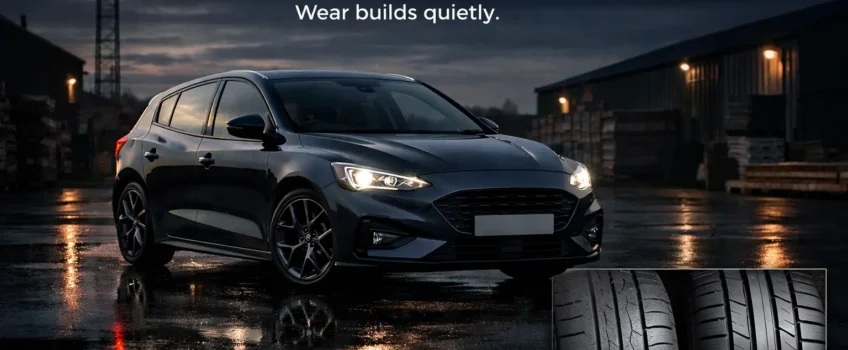
The Car Safety Checks Many UK Drivers Ignore
Most drivers assume their car is safe because it starts, drives and stops. But basic functionality does not always mean full safety. Regular car safety checks are one of the simplest ways to reduce the risk of breakdowns, MOT failures and more serious issues developing without warning.
Modern vehicles are more advanced than ever, yet they are also heavier, more complex and more dependent on electronic systems than older models. Knowing which car safety checks matter most can help you spot problems early, avoid unnecessary repairs and drive with greater confidence.
This guide explains the things drivers often overlook and when it’s time to stop driving and get advice.
Which Car Safety Checks Are The Most Important?
While all parts and components are important, some can make a significant difference to safety and should always be checked. The good news is, these particular car safety checks take less than five minutes.
- Tyre condition and tread depth
- Brake feel and response
- Dashboard warning lights
- Fluid levels
- Exterior lights
These are not technical inspections. They are simple observations that allow you to notice changes before they become potentially serious faults.
Tyres: The Most Important of All Car Safety Checks
Tyres are the only part of the vehicle in contact with the road. If they are compromised, everything else is affected. When carrying out car safety checks, look for the following:
- Tread depth below 1.6mm, as per Government regulation
- Uneven wear across the tyre surface
- Cuts, cracks or bulges in the sidewall
- Objects embedded in the tread
Even slightly worn tyres can significantly increase stopping distances in wet conditions. Uneven wear may also indicate alignment or suspension issues.
Don’t Ignore Your Tyres, And There’s a Practical Bonus
Tyres remain one of the most common causes of MOT failures and roadside breakdowns. Worn tread, uneven wear or incorrect pressure can significantly affect braking distances and stability, particularly in wet conditions.
If you’ve been meaning to replace your tyres, this is a good time to do it. Elite Garages is currently offering savings of up to £20 on selected Rapid tyres when ordered online. The discount depends on the tyre size and the number purchased, and it’s automatically applied during booking.
To access the offer:
- Enter your vehicle registration on the website
- Select your tyre size
- Choose your preferred Elite branch
- Reserve two or more Rapid tyres
Once confirmed, the saving is applied automatically.
Replacing tyres before they reach the legal limit not only improves safety but also prevents uneven wear from affecting suspension and steering components.
Brake Performance: A Core Part of Car Safety Checks
Brake issues rarely appear suddenly and there are usually one or more warning signs.
During routine car safety checks, pay attention to:
- Grinding or squealing noises
- Vibration when braking
- A soft or spongy brake pedal
- The car pulling to one side
Modern vehicles are heavier, which increases stress on braking systems. Addressing wear early helps maintain consistent stopping performance and avoids more expensive repairs later.
Dashboard Warning Lights and Electronic Systems
One of the most overlooked car safety checks involves dashboard indicators.
Not all warning lights mean immediate danger, but some should may need immediate attention. Warning lights linked to ABS, airbags, engine management or stability control should never be ignored. Even if the car feels normal, these systems are designed to intervene during emergencies.
A vehicle may appear to drive correctly while a safety system is inactive. That is why warning lights should always be investigated rather than dismissed. Read our guide for a detailed breakdown on what your dashboard lights mean and when to act.
Steering and Suspension Checks Drivers Often Miss
Handling changes tend to develop gradually. Drivers adapt to them without realising.
Include the following in your regular car safety checks:
- Does the steering feel heavier or looser than usual?
- Does the car bounce excessively after bumps?
- Is there knocking from underneath on uneven roads?
- Does the vehicle lean more than expected in corners?
Suspension keeps tyres in contact with the road. When it deteriorates, braking and stability both suffer.
Fluid Levels: The Simplest of Car Safety Checks
Checking fluid levels takes minutes but prevents serious issues.
Make sure you regularly inspect:
- Engine oil
- Coolant
- Brake fluid
- Windscreen washer fluid
Low oil can cause engine damage. Low coolant can lead to overheating. Both can escalate quickly if ignored. Routine servicing makes this easier to manage. If you are unsure which level of service your vehicle needs, you can book online.
Car Safety Checks Before a Long Journey
Long motorway journeys place greater strain on vehicles. Sustained higher speeds, heavier loads and longer running times can expose issues that may not appear during short local trips.
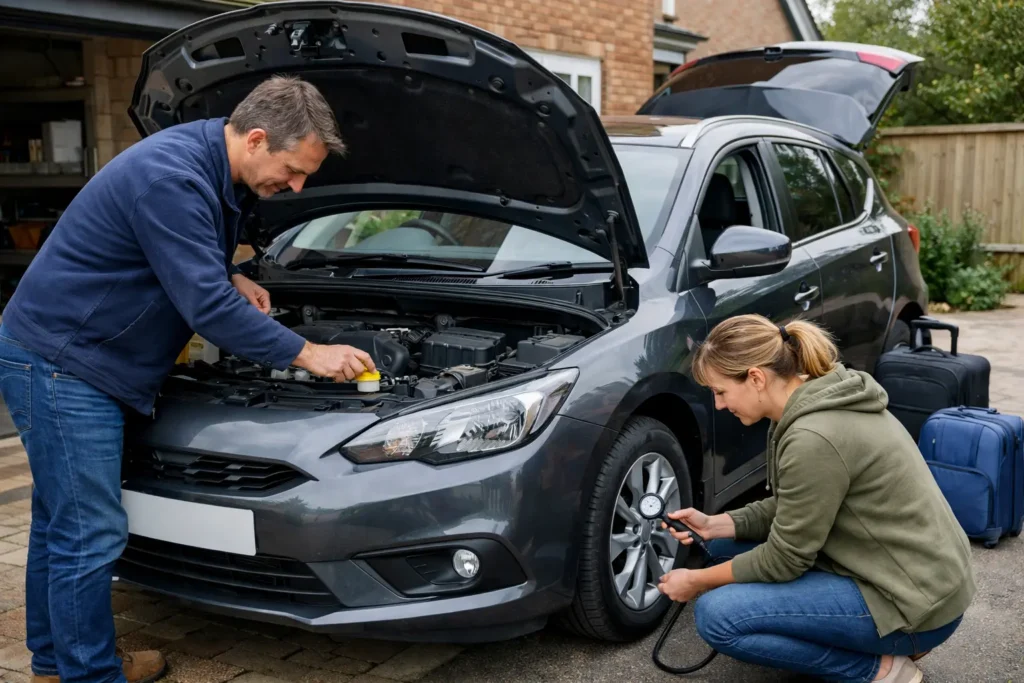
Before travelling, complete these additional car safety checks:
- Confirm tyre pressures are correct, including the spare if your vehicle has one
- Ensure all exterior lights work, including brake lights and indicators
- Listen for unusual noises at higher speeds
- Check for vibrations through the steering wheel or seat
- Check engine oil and coolant levels
- Make sure your windscreen is clean and washer fluid is topped up
Motorway driving increases tyre temperature and pressure, so correct inflation is especially important. Under-inflated tyres generate excess heat and wear more quickly, while over-inflated tyres can reduce grip.
Unusual vibrations at speed may indicate wheel imbalance or alignment issues. A steering wheel that shakes at 60 to 70mph should never be ignored.
Small issues that seem manageable during local driving can become more pronounced at motorway speeds. If your MOT is due soon, you can book yours online at any of our branches except Strood.
How Car Safety Checks Help Prevent MOT Failures
Many MOT failures relate to issues that develop gradually.
Tyres, brakes, suspension components and warning lights account for a large proportion of failures. Regular car safety checks reduce the likelihood of unexpected results and give you time to plan any necessary repairs.
Being proactive is far less stressful than reacting to a failed test.
If you want FREE MOT and Service Reminders, sign up for the Elite Garages Member’s Club and never miss a booking again.
When Should You Stop Driving?
Most minor issues allow you time to arrange a repair. Some do not. If you experience any of the following, you should stop driving as soon as it is safe to do so:
- A red engine temperature warning or visible overheating
- A sudden loss of braking power
- Heavy steering or loss of steering assistance
- Strong burning smells from the engine bay or wheels
- Smoke from under the bonnet
- Loud metallic grinding noises
- Sudden knocking combined with vibration
Driving with overheating can cause severe engine damage within minutes. Continuing with brake failure or steering issues presents an obvious safety risk to you and other road users.
If you are unsure whether a fault is serious, err on the side of caution. It is better to arrange recovery than risk further damage or an accident. Modern vehicles are designed to alert drivers early. If multiple warning lights appear at once, especially following electrical issues, the safest approach is to stop and seek professional advice.
Seasonal Car Safety Checks Many Drivers Forget
Weather conditions in the UK can change quickly, and seasonal differences affect vehicle performance more than many drivers realise.
In Winter:
- Cold temperatures reduce battery efficiency
- Tyre pressures drop
- Wiper blades deteriorate faster
- Roads become wetter and more slippery
In Summer:
- Higher temperatures increase strain on cooling systems
- Tyre pressures can rise excessively
- Long-distance travel becomes more common
Adjusting your car safety checks slightly depending on the season helps prevent predictable problems.
For example, many winter breakdowns are caused by weak batteries that showed subtle warning signs weeks earlier. Likewise, overheating in summer often relates to low coolant levels that were never inspected.
Seasonal awareness strengthens your overall approach to vehicle safety.
Real-World Example: Why Preventative Maintenance Matters
Basic car safety checks are essential, but they work best alongside regular servicing.
Some issues cannot be seen during a quick visual inspection. Internal wear, ageing components and gradual deterioration often develop quietly over time. That is where preventative maintenance makes the difference.
Automotive YouTuber Joe Achilles demonstrated this in a test case with Elite Garages involving a 250,000-mile BMW. Rather than focusing on mileage alone, the project highlighted how consistent servicing and early intervention help maintain reliability even at high mileage.
The lesson was straightforward. Vehicles do not usually fail without warning. They show signs of wear gradually. When those signs are addressed early, safety and longevity improve significantly.
Car safety checks help you notice the early indicators. Professional servicing ensures the underlying mechanical condition is properly assessed. Together, they provide a far stronger approach to vehicle safety than either would alone.
Elite’s Take on Car Safety Checks
Car safety checks are not complicated, but they are essential. A few minutes each month spent inspecting tyres, brakes, warning lights and fluid levels can significantly reduce risk (and expensive repair costs). Modern vehicles are highly capable, but they still depend on basic mechanical and electronic systems functioning correctly.
Staying attentive to small changes protects both safety and your budget. That’s why we provide drivers with free car safety checks at all Elite Garages locations.
FAQS:
Click the + to read any answer or visit our most FAQ page to review the most frequently asked questions across all our Elite Locations.
If you click on a ‘Category’ or ‘Tag’ link, the page will ‘refresh’ and reload the page showing the top of the page first, you’ll then just need to scroll down to the FAQ section to see the results for the Category or Tag you selected.
Category:
Car Safety Checks
Electric vehicles do not have exhaust systems, but tyres, brakes, suspension and electronic safety systems still require regular inspection.
Category:
Car Safety Checks
Yes. A quick inspection of tyres, fluid levels, lights and warning indicators before motorway driving can prevent breakdowns and reduce safety risks.
Category:
Car Safety Checks
Some warning lights indicate minor issues, while others relate to critical safety systems such as brakes or airbags. A red warning light should always be treated as urgent. If the vehicle feels different as well as displaying a warning, it is safer to stop driving and have it inspected.
Category:
Car Safety Checks
Tyre condition, uneven tread wear, suspension wear, and small handling changes are frequently overlooked. These problems often develop gradually, which makes them easy to ignore until they become more serious.
Category:
Car Safety Checks
It depends on the reason for the failure.
If your vehicle has been marked with a “dangerous” defect, you should not drive it until the fault has been repaired. Driving a car with a dangerous defect can put you and other road users at risk, and you could be fined if stopped.
If the failure is classed as a major defect, and your previous MOT certificate is still valid, you may be able to drive the vehicle to a pre-booked repair appointment. However, the car must remain roadworthy. If the defect affects safety, like brakes, tyres or steering, it is strongly advised not to continue driving.
Always check the classification on your MOT certificate and seek advice if you are unsure. When in doubt, err on the side of caution and arrange repairs before using the vehicle again.


