



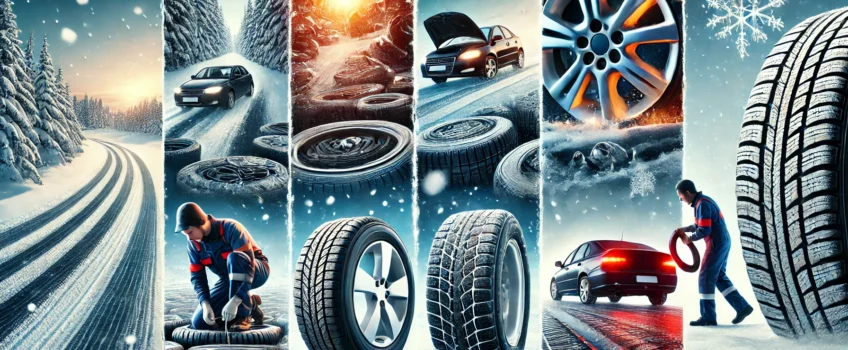
Winter Tyres vs. All-Season Tyres: What’s Best for UK Roads?
Are you thinking about changing to winter tyres this year? When the colder months approach, many UK drivers face the important decision of whether to switch to winter tyres or choose all-season tyres. Both options offer advantages depending on the weather conditions and your driving habits. In this guide, we explain the differences between winter tyres and all-season tyres with tips on choosing the right tyres for your car.
What Are Winter Tyres?
Also known as cold weather tyres or snow tyres, these are designed to provide better traction and handling in sub-zero temperatures, icy roads and snowy conditions. They are made with a special rubber compound that remains soft and flexible even in freezing temperatures. The specialised tread pattern with deeper grooves and more sipes also allow winter tyres to grip the road better, resulting in improved braking performance and less chance of skidding. Winter tyres are designed to perform optimally when temperatures drop below 7°C.
For drivers living in colder regions of the UK, winter tyres provide peace of mind and significantly reduce the risk of skidding on icy roads. Elite Garages offers a wide selection of winter tyres to suit all vehicle types. Two of many choices offering exceptional grip and handling are the Continental WinterContact TS 860 and the Hankook Winter i*cept Evo 3. Visit one of our tyre garage locations to find the best option for your car.
What Are All-Season Tyres?
All-season tyres, also called all-weather tyres, are designed to perform well in a variety of weather conditions throughout the year. They combine the features of summer and winter tyres for drivers who don’t want to switch between two sets of tyres. All-season tyres have a tread pattern that can handle both wet and dry roads, while also providing decent performance in light snow.
They are made with a different rubber compound than summer tyres to ensure better grip in colder temperatures but not as effective as winter tyres. All-season tyres are a great option for drivers living in areas with mild winters where the temperature rarely drops below freezing. However, they may not perform as well on icy roads or heavy snow as winter tyres.
Visit our tyre brands page to see the range of all-season tyres from top brands, including the All-weather MICHELIN CrossClimate tyres and the Vredestein Quatrac 5.
Which Tyres Should You Choose?

The decision between winter and all-season tyres depends on several factors such as your location, driving habits and budget. Here are a few points to consider:
- Driving Conditions: If you live in an area with harsh winters, frequent snow or icy roads, winter tyres are the best option to ensure safety while driving. All-season tyres may not provide enough traction and grip in these conditions.
- Mileage: If you drive your car regularly during winter months, it’s worth investing in a set of winter tyres for better performance. However, if you only use your car occasionally on snowy or icy roads, all-season tyres may be more cost-effective.
- Budget: Winter tyres tend to be more expensive than all-season tyres due to their specialised design. However, they can last longer as they’re used for only part of the year. If your budget allows, it’s worth investing in winter tyres for optimum safety and performance during the colder months.
Key Differences Between Winter Tyres and All-Season Tyres
When choosing between winter tyres and all-season tyres, several factors are worth keeping in mind:
- Snow and Ice Performance: Winter tyres excel in snow and ice, providing superior traction and control. All-season tyres are adequate in light snow but cannot match the grip of winter tyres in extreme conditions.
- Temperature Range: Cold-weather tyres are designed to remain flexible in freezing temperatures, while all-season tyres can harden, leading to reduced performance on icy roads.
- Tread Design: Winter tyres have deeper treads and more biting edges, which help maintain grip on snow-covered roads. All-season tyres have a more general-purpose tread, offering versatility but not the same level of grip in real wintry conditions.
If you frequently drive on snowy or icy roads, switching to cold weather tyres is the safest option. For drivers in milder climates, all-season tyres offer a year-round solution that eliminates the need for seasonal tyre changes.
Why Tyre Safety Matters
Whether you opt for winter tyres or all-season tyres, tyre safety should always be a priority. Ensuring your tyres are in good condition, properly inflated, and correctly aligned will improve your car’s handling, fuel efficiency, and overall performance. At Elite Garages, we provide comprehensive tyre safety checks, including tread depth assessments, tyre pressure checks, and wheel alignment services.
Proper wheel alignment ensures even tyre wear, which is particularly important during winter when road conditions can be challenging. Misaligned wheels can cause uneven wear, reducing tyre life and affecting driving safety. Regular wheel alignment checks at a trusted tyre garage like Elite Garages can help prevent these issues.
When Should You Replace Your Tyres?
It’s essential to regularly check your tyres for signs of wear and replace them when necessary. Here are some guidelines for knowing when it’s time to replace your tyres:
- Tread Depth: The legal minimum tread depth in the UK is 1.6mm, but experts recommend replacing tyres when they reach 3mm for better traction in wet conditions.
- Age: Tyres should be replaced every six years, even if they haven’t reached the legal tread depth limit. As rubber degrades over time, older tyres may become unsafe to use.
- Damage: If your tyre has any visible tears, cuts or bulges, it’s important to get it replaced immediately as these can cause sudden tyre failure.
Keep an eye on your tyres and replace them when necessary to ensure your safety on the road. Elite Garages offers a range of tyre services to help keep your tyres in top condition, including puncture repairs, wheel balancing, and valve replacements.
Final Thoughts on Winter Tyres vs All-Season Tyres
In summary, the decision depends on various factors, including your location, driving habits, and budget. Winter tyres offer superior performance in harsh weather conditions but may not be necessary for those living in milder climates. All-season tyres provide a more cost-effective year-round solution but may not perform as well in extreme winter conditions.
For maximum safety during harsh winter weather, it’s best to opt for winter tyres. However, if you live in a milder climate or don’t want to switch between two sets of tyres, all-season tyres may be a more practical solution. Whether you choose winter tyres or all-season tyres, make sure to keep them properly maintained and replace them when necessary to ensure your safety on the road. Visit your nearest Elite Garage tyre fitment centre and trust our expert technicians to keep you safe on the road no matter the season.
Now read:
“which are the best tyres for my vehicle“
FAQs
Click the + to read any answer or then either a category or tag to view all questions under that category or tag.
Categories:
Dorchester
Winter Tyres
Winter tyres provide superior traction and control in cold conditions, especially when temperatures drop below 7°C. They have deeper tread patterns and softer rubber compounds, which allow them to perform better on snow, ice, and wet roads. All-season tyres, while versatile and convenient, don’t match the specialised performance of winter tyres in extreme winter conditions, but they are a good option for milder climates where extreme cold is less common.
Categories:
Class 4 MOT
Dorchester
A Class 4 MOT checks various components of your vehicle to ensure it meets the UK’s safety and environmental standards. The test includes an inspection of the brakes, lights, tyres, suspension, emissions, and more. If any of these components do not meet the legal requirements, your vehicle will fail the test, and you’ll need to have repairs done before re-testing. Ensuring these components are regularly maintained will help you pass the MOT without any issues.
Categories:
Dorchester
Land Rover Servicing
Common issues include wear and tear on brakes, tyres with insufficient tread depth, and electrical faults. Suspension and steering systems are also frequent areas requiring attention, especially in off-road or older model cars, including Land Rovers. Elite Garages Pulborough can address these issues efficiently with their skilled technicians and advanced diagnostic equipment.
Categories:
Car Maintenance Savings
Dorchester
Delaying your car MOT is not recommended, as driving without a valid MOT certificate is illegal and can lead to fines. Plus, regular MOTs help identify early signs of wear or damage, preventing more expensive repairs later. We highly recommend not delaying your MOT as there may be serious consequences.
Categories:
Car Maintenance Savings
Dorchester
You can save on car maintenance by sticking to essential services like oil changes, tyre checks, wheel alignment and brake inspections, while avoiding unnecessary add-ons. By doing regular checks, and choosing trusted local garages like Elite Garages, you can help keep your vehicle safe without overspending.
Categories:
Dorchester
Snapped Cambelt
If your cambelt snaps while driving, it can cause severe engine damage — especially in interference engines where the pistons and valves can collide. This often results in bent valves, damaged pistons, and even a ruined cylinder head. In many cases, the engine will stop suddenly, and repairs can be extremely costly.
Categories:
Dashboard Warning Lights
Dorchester
The most serious dashboard warning lights are typically red and indicate issues that could put your safety—or your engine—at risk. These include the brake system warning light, engine oil pressure warning, coolant temperature warning, and the airbag or SRS warning. If any of these lights appear while driving, you should stop the car as soon as it’s safe and seek professional assistance. Ignoring them can lead to breakdowns, serious damage, or compromised safety systems.
Categories:
Dorchester
fuel saving tips
Yes, avoiding routine maintenance can lead to bigger, more expensive problems down the line. Skipping things like oil changes, brake checks, or vehicle diagnostics allows minor issues to develop into major faults; many of which could’ve been caught early and fixed at a more reasonable price.


