



Is It Normal for a Car to Feel Different After New Tyres?
Most drivers expect a car to feel better after having new tyres fitted, but what often surprises people is just how different the car can feel afterwards.
The steering might suddenly feel lighter, the ride may feel firmer or softer, and in some cases the vehicle can even seem slightly unsettled at first. Some drivers also notice changes in braking, road noise or how the car responds through corners.
In many cases, these changes are completely normal.
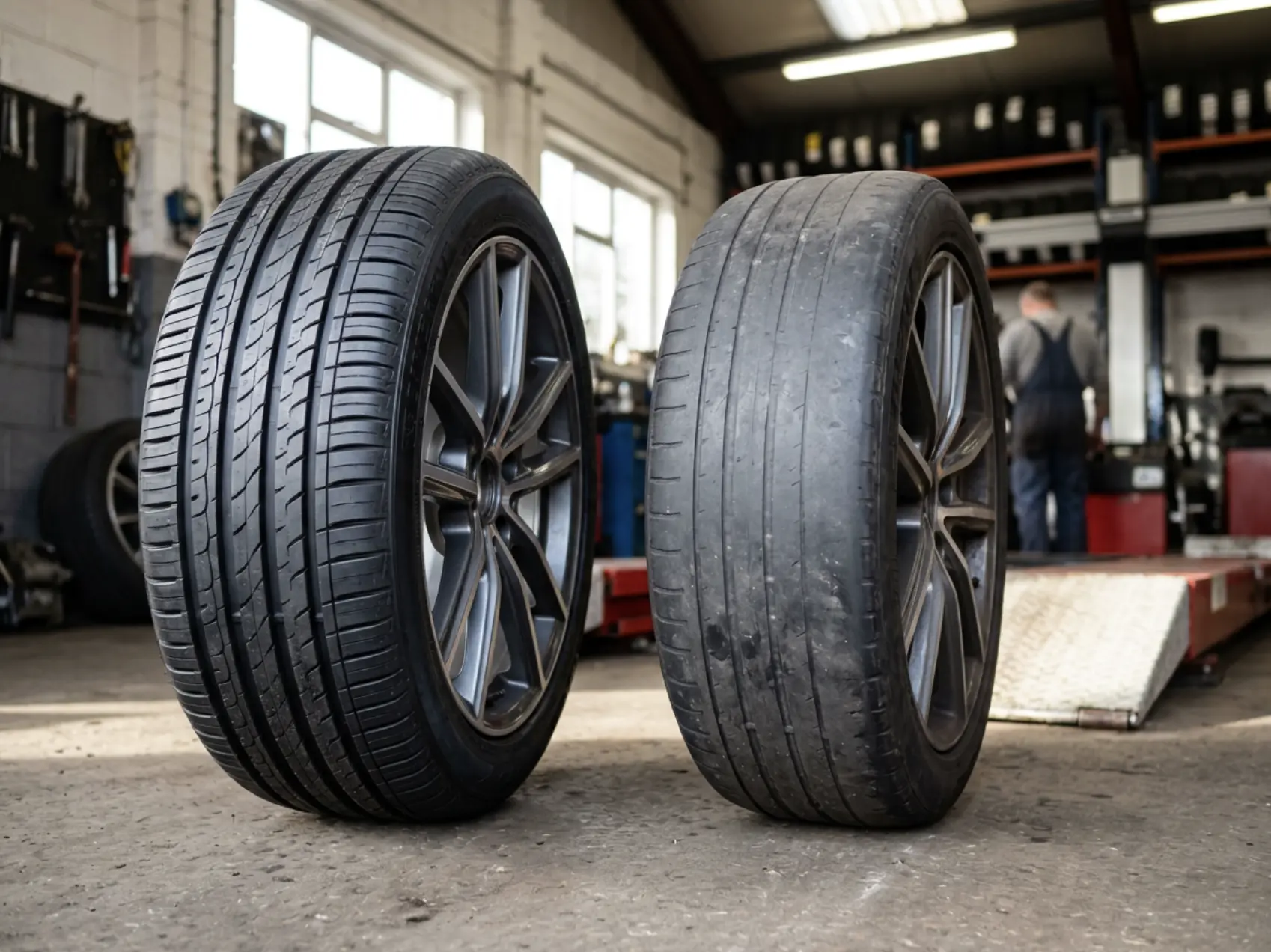
New tyres behave differently because the tread, rubber compound and overall shape of the tyre are all different from the worn tyres that came off the vehicle. Even if your old tyres still looked acceptable, the difference can still be noticeable once new tyres are fitted.
Understanding why this happens can help drivers know what is normal, what is temporary and when it may be worth having the vehicle checked further.
Why Does a Car Feel Different After New Tyres?
Yes. It is completely normal for a car to feel different after new tyres are fitted. New tyres have deeper tread, more flexible rubber and improved grip compared to worn tyres, which can make steering feel lighter, handling more responsive and braking more consistent. Most drivers adapt within a few journeys as the tyres bed in and become familiar.
Why New Tyres Can Change the Feel of a Car
Tyres are the only part of the vehicle that actually touches the road, so even relatively small changes can affect how the car feels to drive.
As tyres wear down over time, drivers naturally become used to:
- Reduced tread depth
- Different steering response
- Increased road noise
- Gradual changes in grip levels
New tyres effectively reset all of that.
Fresh tread blocks move differently, the rubber is more flexible and the contact patch between the tyre and the road changes. This can make the steering feel more responsive or alter the way the vehicle reacts during normal driving.
In many cases, the difference is simply a sign that the new tyres are performing as they should.
Steering Often Feels Lighter After New Tyres
One of the most common things drivers notice after tyre replacement is lighter steering.
This usually happens because new tyres have:
- Deeper tread
- More flexible rubber
- Improved grip compared to worn tyres
The vehicle can suddenly feel more reactive to steering input, particularly at lower speeds or during parking manoeuvres.
Drivers who have been using worn tyres for a long time sometimes describe this as the car feeling “strange” or “too sensitive” at first, even though the vehicle is actually responding more normally.
Why Road Noise and Ride Comfort Can Change
New tyres can also affect how quiet or comfortable a car feels.
Some tyres are specifically designed to prioritise:
- Comfort
- Low road noise
- Fuel efficiency
- Sporty handling
Others may produce slightly more noise initially until the tread settles in.
Different tyre brands and tyre patterns can noticeably change the character of a vehicle, which is one reason why choosing the right tyre matters. Take a look at the tyre options and brands at Elite Garages.
New Tyres Can Highlight Existing Wheel Alignment Issues
Sometimes the tyres are not actually the issue.
Worn tyres often hide or compensate for underlying problems such as poor wheel alignment or worn suspension components. Once new tyres are fitted, these issues can suddenly become much more noticeable.
Drivers may experience:
- Slight pulling to one side
- Uneven steering feel
- Instability at motorway speeds
- Uneven tyre wear developing again
This is one reason wheel alignment checks are commonly recommended after tyre replacement.
Learn more about wheel alignment here and reasons why your car is pulling to one side.
Is It Normal for New Tyres to Feel Slippery at First?
Yes, to a degree.
New tyres can sometimes feel slightly less predictable during the first 100 to 200 miles of driving. This is because the tyre surface is brand new and may still contain traces of manufacturing release agents. The tread blocks are also at their deepest and most flexible when first fitted.
Drivers may notice:
- Slightly reduced grip in wet conditions
- Different steering feedback
- More movement from the tread during cornering
This bedding-in period is normal and grip should improve naturally through everyday driving.
Tyre safety organisation TyreSafe also recommends allowing new tyres time to bed in properly and regularly checking tyre condition, pressures and tread depth.
Tips for Driving on New Tyres
After having new tyres fitted:
- Check tyre pressures after the first week
- Avoid harsh braking or aggressive cornering initially
- Monitor for any pulling, vibration or unusual handling
- Keep an eye on tread wear patterns
- Consider a wheel alignment check if the vehicle does not track straight
These simple checks can help ensure the tyres wear evenly, deliver the best performance and achieve their expected lifespan.
Check tyre pressures after the first week using the manufacturer’s recommended settings. If you are unsure, our tyre pressure guide can help.
How Long Does It Take to Adjust to New Tyres?
Most drivers adjust fairly quickly, often within the first few journeys.
The tyres themselves also begin settling into normal use after the initial bedding-in period. Steering feel, grip and ride comfort often become more consistent after the first few hundred miles.
However, if the car feels unstable, vibrates excessively or pulls heavily to one side after new tyres are fitted, it is worth having the vehicle checked to rule out alignment, balancing or suspension issues.
When a Different Feel Might Actually Indicate a Problem
While some change is completely normal, there are situations where the vehicle should be inspected further.
For example:
- Strong pulling to one side
- Steering wheel vibration
- Uneven ride height
- Unusual noises
- Rapid uneven tyre wear
These symptoms can indicate underlying issues affecting the vehicle rather than the tyres themselves.
In these situations, wheel alignment, suspension or steering components may need attention. If you notice persistent vibration after tyre replacement, you may also benefit from having the wheels rebalanced or inspected for damage.
What This Means for Drivers
In most cases, a car feeling different after new tyres is actually a positive sign.
Drivers are often noticing:
- Improved grip
- More responsive steering
- Smoother braking
- Better road contact
- Increased confidence behind the wheel
The key is understanding that tyres play a huge role in how a vehicle behaves, even when the changes initially feel unfamiliar.
Most of the time, that different feeling simply means the car is responding more accurately than it was before.
If the vehicle continues to feel unstable, pulls noticeably to one side or develops vibration after new tyres are fitted, it is worth having the tyres, wheel alignment and suspension checked by a professional to ensure everything is performing as it should.
FAQS
Click the + to read any answer or visit our most FAQ page to review the most frequently asked questions across all our Elite Locations.
If you click on a ‘Category’ or ‘Tag’ link, the page will ‘refresh’ and reload the page showing the top of the page first, you’ll then just need to scroll down to the FAQ section to see the results for the Category or Tag you selected.
Category:
New Tyres
Most new tyres begin settling within the first 100 to 200 miles of normal driving. During this period, steering feel and grip may gradually become more consistent.
Category:
New Tyres
New tyres do not change wheel alignment, but they can make existing alignment problems more noticeable because they provide more grip and a more consistent contact patch.
Category:
New Tyres
New tyres typically have deeper tread and more flexible rubber than worn tyres. This can make steering feel more responsive and easier to turn.
Category:
New Tyres
No. A slight change in steering feel is normal, but vibration could indicate a wheel balancing issue, tyre defect or underlying suspension problem and should be checked.
Category:
New Tyres
Yes. However, it is sensible to drive smoothly during the initial bedding-in period and avoid harsh braking or aggressive cornering where possible.
Category:
New Tyres
Car pull can happen when existing wheel alignment issues become more noticeable after tyre replacement. If the pulling persists, a wheel alignment inspection is recommended.


