



EV Tyres Explained: Do Electric Cars Need Special Tyres?
As electric vehicles become more common on UK roads, many drivers have started asking whether they need special EV tyres or if standard tyres designed for petrol or diesel vehicles are still suitable.
The short answer is that while electric vehicles can technically use conventional tyres, many manufacturers now recommend EV tyres designed specifically for the characteristics of electric vehicles. EVs are heavier due to battery packs, deliver instant torque, and rely on regenerative braking systems that change how the car slows down.
These factors influence tyre wear, efficiency, and road noise. Understanding the differences between conventional tyres and tyres for electric cars can help drivers choose the most suitable option for safety, efficiency, and long-term performance.
What Are EV Tyres and How Are They Different?
EV tyres are tyres designed to cope with the unique demands of electric vehicles. While they may look similar to conventional tyres, their construction often includes features tailored for EV performance.
Typical differences include:
- Stronger internal construction to support the additional weight of battery packs
- Lower rolling resistance, which helps maximise driving range
- Reinforced sidewalls to cope with instant torque delivery
- Noise-reducing tread designs, since EVs operate more quietly than combustion vehicles
Because electric motors deliver maximum torque instantly, tyres for EVs must handle higher acceleration forces compared with conventional vehicles. At the same time, manufacturers aim to reduce rolling resistance so the tyres help improve efficiency rather than reduce driving range.
Drivers who want to understand how EV maintenance differs more broadly can also explore this guide to EV servicing.
Do Electric Cars Need Special EV Tyres?
Many drivers wonder whether electric cars need special tyres, or if standard tyres are still suitable.
In many cases, conventional tyres can technically be fitted to an EV, provided they meet the correct size, load rating and speed rating requirements. However, tyres designed specifically for electric vehicles often perform better in areas such as efficiency, durability and noise reduction.
Manufacturers frequently specify EV tyre fitment that matches the vehicle’s weight distribution, power delivery and regenerative braking characteristics. Using tyres designed for EVs can therefore help maintain the driving balance and efficiency the vehicle was designed to deliver.
For drivers exploring different manufacturers and models, this guide offers further insight into how EV tyres are selected.
Why EV Tyres Wear Differently from Petrol Car Tyres
One of the most noticeable differences with electric vehicles is how tyres wear over time.
Several factors contribute to this:
- Vehicle weight: Electric cars often weigh more than equivalent petrol vehicles because of large battery packs.
- Instant torque delivery: Electric motors deliver full torque immediately, which can increase tyre wear during acceleration.
- Regenerative braking: EVs slow down differently compared with traditional vehicles. Instead of relying entirely on friction brakes, the electric motor slows the vehicle while recovering energy.
This braking behaviour can change wear patterns across the tyres. If you’re curious about how this works, you can read more in this explanation of how electric car servicing works.
Together, these factors mean tyres for electric cars sometimes wear more quickly if driving style or tyre specifications are not well matched to the vehicle.
What EV Tyre Options Are Available?
Drivers researching EV tyre options will find that tyre manufacturers now produce a wide range of tyres designed for electric vehicles.
These include:
- Efficiency-focused tyres designed to maximise driving range
- Low-noise tyres designed to reduce road noise in quiet EV cabins
- Performance EV tyres for high-powered electric vehicles
- All-season tyres designed for year-round conditions
Many major manufacturers now offer dedicated EV ranges that balance grip, durability and rolling resistance.
Independent guidance from organisations such as TyreSafe highlights the importance of choosing tyres that match your vehicle’s weight, performance and usage, particularly as electric vehicles place different demands on tyres.
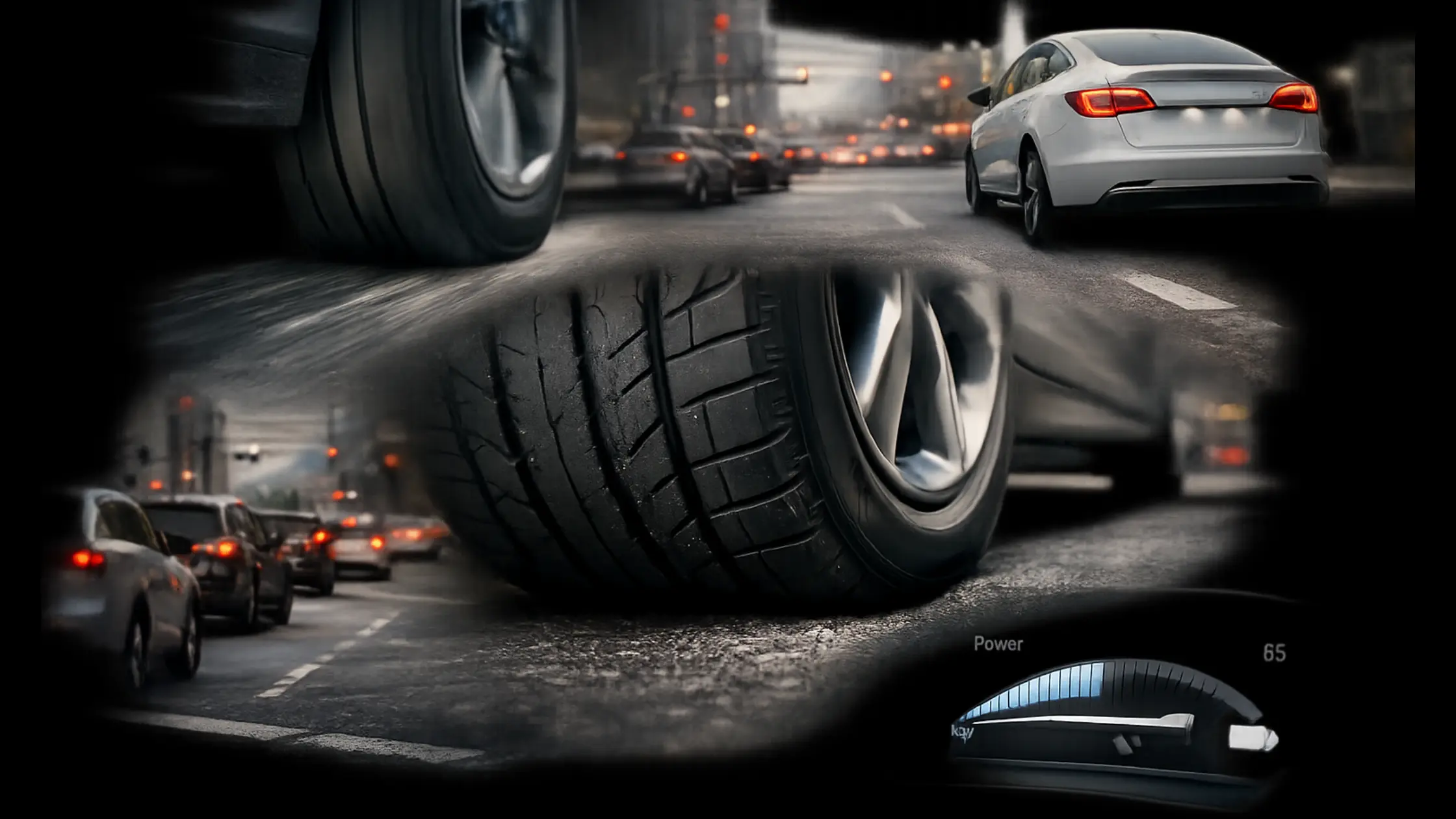
Are EV Tyres Suitable for Hybrid Cars Too?
Interestingly, tyres for hybrid cars often share similar characteristics with EV tyres.
Hybrid vehicles combine electric motors with traditional engines, which means they also benefit from tyres designed for:
- improved efficiency
- reduced rolling resistance
- quieter operation
In many cases, tyres recommended for electric vehicles can also perform well on hybrid cars, particularly plug-in hybrids that rely more heavily on electric power.
What Is EV Tyre Fitment and Why Does It Matter?
Correct EV tyre fitment is essential for maintaining vehicle performance and safety.
Manufacturers select tyres based on several factors:
- load rating suitable for battery weight
- correct tyre width and profile
- rolling resistance requirements
- grip characteristics matched to the vehicle
Incorrect tyre fitment can affect braking performance, efficiency, and driving stability. For this reason, drivers should always follow the specifications listed in the vehicle handbook or recommended by the manufacturer. This is particularly important on models such as Tesla, BYD and other modern electric vehicles
Drivers looking to explore different tyre models can also browse available tyre options here.
When Should EV Tyres Be Replaced?
Although EV tyres can last a long time, several signs indicate they should be replaced.
These include:
- tread depth approaching the legal minimum
- uneven wear across the tyre surface
- vibrations or reduced grip when driving
- visible sidewall damage
Because electric vehicles deliver power differently from traditional cars, maintaining correct tyre pressure and wheel alignment is particularly important. Regular inspections help ensure tyres continue to perform safely and efficiently.
Final Thoughts on EV Tyres
Electric vehicles place unique demands on tyres due to their weight, torque delivery and braking systems. While standard tyres may sometimes be suitable, tyres designed specifically for electric vehicles often provide better efficiency, durability and noise reduction.
Understanding how EV tyres work, and why they differ from traditional tyres, helps drivers make informed decisions about maintenance and tyre replacement as electric vehicles become more common on UK roads.
FAQS:
Click the + to read any answer or visit our most FAQ page to review the most frequently asked questions across all our Elite Locations.
Category:
Best EV Tyres
While regular tyres can be used, they won’t offer the same efficiency or durability as tyres designed specifically for electric vehicles. Electric car tyres are optimised for range, load-bearing, and reduced wear.
Category:
Best EV Tyres
Tyres for electric vehicles are designed to handle the increased weight from the battery, offer low rolling resistance for better energy efficiency, and provide quieter operation due to reduced engine noise. These features help maximise range and improve overall performance.


