



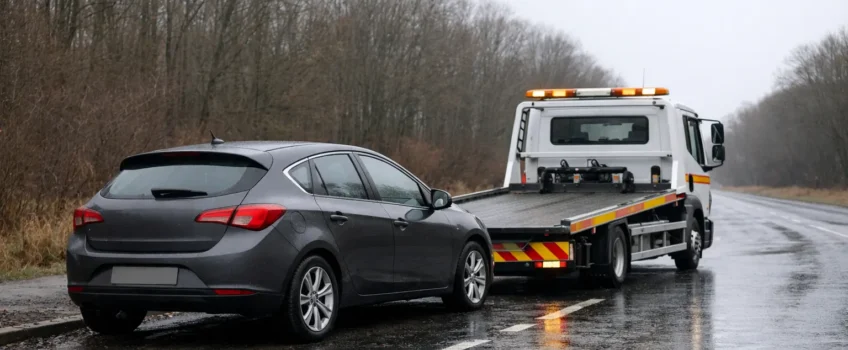
The Real Reasons Car Problems Spike in January
January is consistently the month when car problems catch drivers out, often without warning and often after a car seemed perfectly fine over Christmas. Breakdown services report increased call-outs, garages see a surge in battery, tyre, and alignment issues, and many drivers are left wondering what suddenly changed.
The reality is that January creates a perfect storm for car problems. Cold temperatures, short journeys, road damage, and delayed maintenance all combine to expose weaknesses that may have been building quietly for months.
Understanding why car problems are more common in January helps drivers spot issues earlier, avoid unexpected failures, and protect their car during one of the toughest months of the year.
Why Car Problems Are More Common in January Than Other Months
Car problems tend to spike in January because multiple stress factors affect vehicles at the same time. Cold weather alone is not the issue, it’s the combination of temperature, driving habits, and road conditions that creates risk.
Put plainly, car problems are more common in January because cold temperatures reduce battery efficiency, tyre pressures drop, road surfaces deteriorate, and short journeys place additional strain on electrical and mechanical components. These effects often reveal issues that were already developing but had not yet caused noticeable symptoms.
Unlike a single fault causing sudden breakdowns, January car problems usually develop through accumulated stress, making them harder to predict without proper checks.
Across Elite Garages branches, particularly at our Fareham MOT centre, and car service centres in Bournemouth, Maidstone and Dorchester, January consistently brings an increase in battery checks, tyre inspections, and alignment assessments as winter conditions expose underlying car problems.
Cold Weather and Car Problems: What Changes Mechanically
Cold weather affects vehicles in ways many drivers do not immediately notice. Modern cars are reliable, but physics still applies.
In cold conditions, chemical reactions inside car batteries slow down, engine oil thickens, tyre pressures fall, and rubber components become less flexible. These changes increase resistance, reduce efficiency, and place additional load on systems that already operate close to their tolerances.
This is why a car that starts fine in December may struggle or show warning signs in early January where nothing has suddenly “broken,” but existing weaknesses have been exposed.
The Met Office recommends specific winter vehicle checks, including battery and tyre pressure inspections, to reduce cold-weather breakdown risk.
Battery-Related Car Problems After Christmas
Battery issues are one of the most common car problems seen in January, particularly after the festive period.
Short trips over Christmas, combined with cold starts, prevent batteries from fully recharging. Even a relatively new battery can struggle if it has been repeatedly drained without sufficient recovery time.
Car batteries are most vulnerable in January because cold temperatures reduce their available capacity while increased electrical demand from heaters, lights, and defrost systems places greater strain on them. Repeated short journeys accelerate battery discharge without allowing full recharge.
Common warning signs include:
- Slow engine cranking
- Flickering dashboard lights
- Warning messages appearing intermittently
Left unchecked, these issues often lead to complete battery failure during the coldest weeks of winter. Book your battery health check today.
Tyre Pressure, Grip, and Alignment Issues in January
Tyre issues also increase in January, even when they appear fine visually. In many areas across the UK, winter road deterioration and potholes are a frequent cause of alignment-related problems during January, even when drivers haven’t noticed anything specific.
Cold air causes tyre pressures to drop, reducing contact with the road and increasing wear. At the same time, winter potholes become more common as water freezes and expands beneath the road surface.
Lower tyre pressures reduce stability, braking efficiency, and fuel economy, while pothole impacts can knock wheels out of alignment without immediate symptoms. Over time, this leads to uneven tyre wear and a car that feels less stable or pulls to one side.
Many drivers assume these changes are “just winter driving,” but they are often signs of correctable issues that should not be ignored. Book a wheel alignment today!
Uneven Tyre Wear Explained: Is It Time for a Wheel Alignment Service?
Short Journeys and Hidden Car Problems in January
January driving habits contribute significantly to ongoing car problems. After the holidays, many journeys are short, repetitive, and involve frequent cold starts. These conditions prevent engines from reaching optimal temperature and place strain on emissions systems, batteries, and starter motors.
Short journeys can contribute to:
- Carbon build-up
- Increased fuel consumption
- Electrical drain
- Reduced battery lifespan
These issues develop quietly, which is why car problems in January often feel sudden when they eventually become noticeable.
Why Car Problems Often Feel Worse in January, Even When They’re Not
One of the most frustrating aspects of January car problems is how severe they can feel, even when the underlying issue is relatively minor.
Cold weather amplifies symptoms:
- Steering feels heavier
- Brakes feel less responsive
- Suspension noises are more noticeable
In winter conditions, reduced tyre grip, thicker fluids, and colder components exaggerate normal wear and minor faults, making a vehicle feel less stable or responsive even when no major mechanical failure is present.
This is why early inspection and adjustment can often resolve January car problems before they escalate into costly repairs. Issues involving brakes, steering, suspension, or warning lights can become costly and dangerous if left untreated, as explored in our guide to expensive car problems that could spell trouble.
Preventing Car Problems in January Before They Escalate
The most effective way to manage January car problems is early intervention. Many winter issues are preventable with simple checks and adjustments. Government-backed road safety guidance from Think! highlights the importance of regular vehicle safety checks, particularly during colder months.
Practical steps include:
- Battery health testing
- Tyre pressure and tread checks
- Wheel alignment inspection
- Visual suspension and steering checks
- Warning light diagnostics
Addressing these areas early reduces breakdown risk and helps your car perform reliably through the remainder of winter.
When to Check Car Problems Professionally
Drivers should seek professional inspection if they notice:
- Difficulty starting the car
- Warning lights appearing or disappearing
- Steering pulling or vibration
- Reduced braking confidence
- Unusual noises after cold starts
These symptoms rarely resolve on their own and often indicate issues that worsen in prolonged cold conditions. Visit any of our MOT and car service centres across the UK to book your winter car service.
A Sensible Way to Start the Year
January is demanding on vehicles, but car problems during this time are not inevitable. Most issues stem from predictable winter stresses that can be identified early with the right checks.
Understanding why car problems are more common in January allows drivers to act before small issues become major disruptions, especially during one of the coldest and busiest months on UK roads. Here are some expert tips on how to drive safely in winter.
If your car feels “off” or hasn’t been checked since before Christmas, a professional inspection can help ensure it stays safe, reliable, and ready for the months ahead. Whether you’re booking at the Elite Garages Fareham MOT centre or visiting our newest car service centres in Croydon, Poole, early inspection helps prevent small January car problems from turning into costly repairs later!
FAQS
Click the + to read any answer or visit our most FAQ page to review the most frequently asked questions across all our Elite Locations.
If you click on a ‘Category’ or ‘Tag’ link, the page will ‘refresh’ and reload the page showing the top of the page first, you’ll then just need to scroll down to the FAQ section to see the results for the Category or Tag you selected.
Category:
Winter Car Problems
Yes, some change is normal, but noticeable handling, braking, or starting issues should always be checked. Cold conditions often accelerate wear, making early inspection essential.
Category:
Winter Car Problems
Car problems often increase in January because cold weather, short journeys, and poor road conditions combine to strain batteries, tyres, alignment, and mechanical systems. Colder conditions often means faster wear and tear, making early inspection and regular car servicing essential.


