



What Are The Most Common Car Questions UK Drivers Ask?
Every week, many drivers ask us common car questions about the same things. Not because something dramatic has happened, but because their car feels different. It takes longer to start. A light appears and disappears. There’s a noise they’ve not noticed before. Or the car just doesn’t feel quite right.
These common car questions aren’t random. They tend to follow clear patterns linked to how vehicles are used, the time of year, and everyday driving habits. Below, we’ve broken down some of the most common car questions UK drivers search for, what they usually mean, and when it’s worth getting things checked.
Common Car Questions About Starting & Batteries
1. Why won’t my car start?
This is one of the most searched car questions in the UK, especially in colder months.
In most cases, the cause is electrical rather than mechanical. A weak or failing battery, poor connections, or repeated short journeys that don’t allow the battery to recharge properly are common triggers. Cold weather reduces battery efficiency, which is why problems often appear suddenly even if the car was fine weeks earlier.
If starting problems persist, a proper battery test can identify whether replacement or maintenance is needed. Learn more about car battery maintenance and expert garage services here.
2. Why does my car struggle to start in cold weather?
Cold temperatures slow chemical reactions inside the battery and thicken engine oil, increasing resistance during start-up. Add heaters, lights, and demisters into the mix, and the battery is under significant strain.
This is why vehicles that cope well in summer can struggle in winter, particularly if they’re mainly used for short trips. If cold-start issues are becoming more frequent, booking a battery service or health check can prevent a complete failure.
3. Why does my car battery keep going flat?
A battery that repeatedly goes flat is often a sign of an imbalance between energy used and energy replaced.
Short journeys are a major factor. Starting the engine uses a large amount of power, and on brief trips the alternator doesn’t have enough time to recharge the battery fully. Over time, this gradually weakens it.
Battery drain can also be worsened by leaving the car unused for long periods or by electrical faults that only show up intermittently. A battery service or check will confirm whether the issue is recharge-related or whether the battery itself is deteriorating.
Common Car Questions About Warning Lights
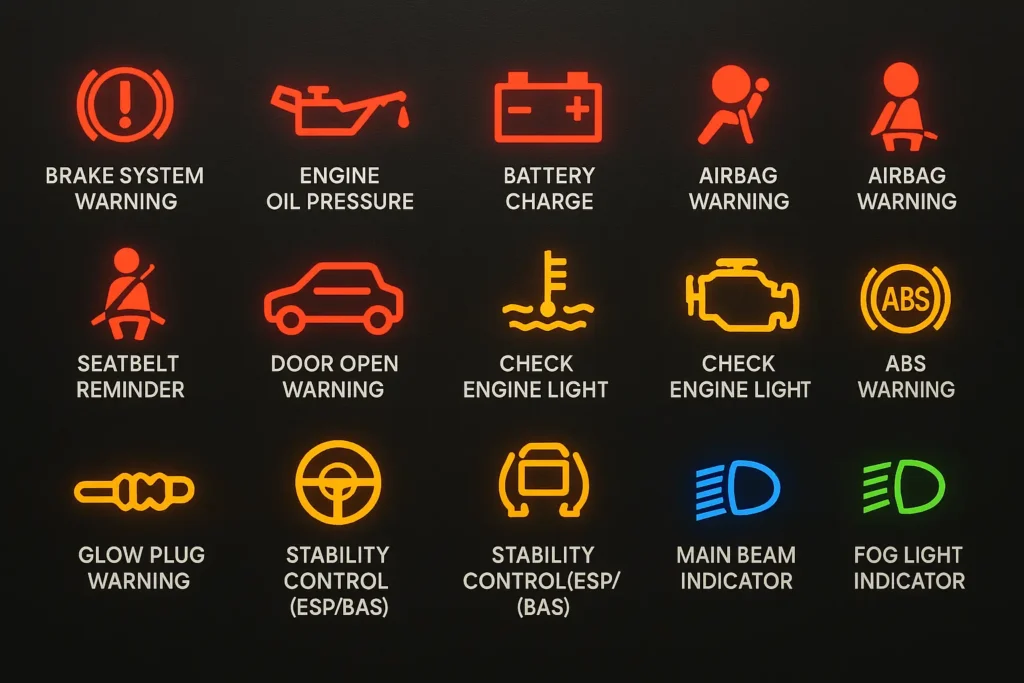
4. Why has my engine warning light come on?
The engine warning light is one of the most misunderstood dashboard symbols.
It doesn’t always mean something is about to fail, but it does mean the car’s monitoring systems have detected something outside normal parameters. This could range from a loose sensor to emissions-related issues.
Because warning lights are linked to many systems, a diagnostic check is the only reliable way to identify the cause. Booking a car service or diagnostic inspection helps prevent minor issues from escalating.
5. Why did my engine warning light come on and then go off?
This is a very common follow-up question.
Intermittent warning lights often point to issues that only appear under certain conditions, such as cold starts, moisture, or incomplete warm-up on short journeys. While the light may go out, the underlying cause often remains.
Patterns matter. If a warning light appears repeatedly, even briefly, it’s worth investigating rather than ignoring. Read our detailed guide on what dashboard warning lights really mean.
6. Is it safe to drive with a warning light on?
It depends on the type of warning light. Some indicate advisory issues that need checking soon, while others signal faults that could affect safety or cause damage if ignored. Knowing the difference is important, but when in doubt, a professional check is the safest option.
This is especially relevant in winter, when sensors and emissions systems are more sensitive to temperature and moisture.
Common Car Questions About Noises, Smells & “Feel”
7. Why does my car feel sluggish?
Sluggish performance is a frequent complaint, particularly in colder months.
Cold engines run less efficiently, fuel mixtures are richer, and low tyre pressures can increase rolling resistance. Short journeys amplify all of these factors by preventing the car from reaching optimal operating conditions.
If sluggishness becomes noticeable or persistent, it’s worth having the vehicle checked as part of a routine service. Book your car service today!
8. Why is my car making a rattling or squealing noise?
Unusual noises are one of the most anxiety-inducing car questions.
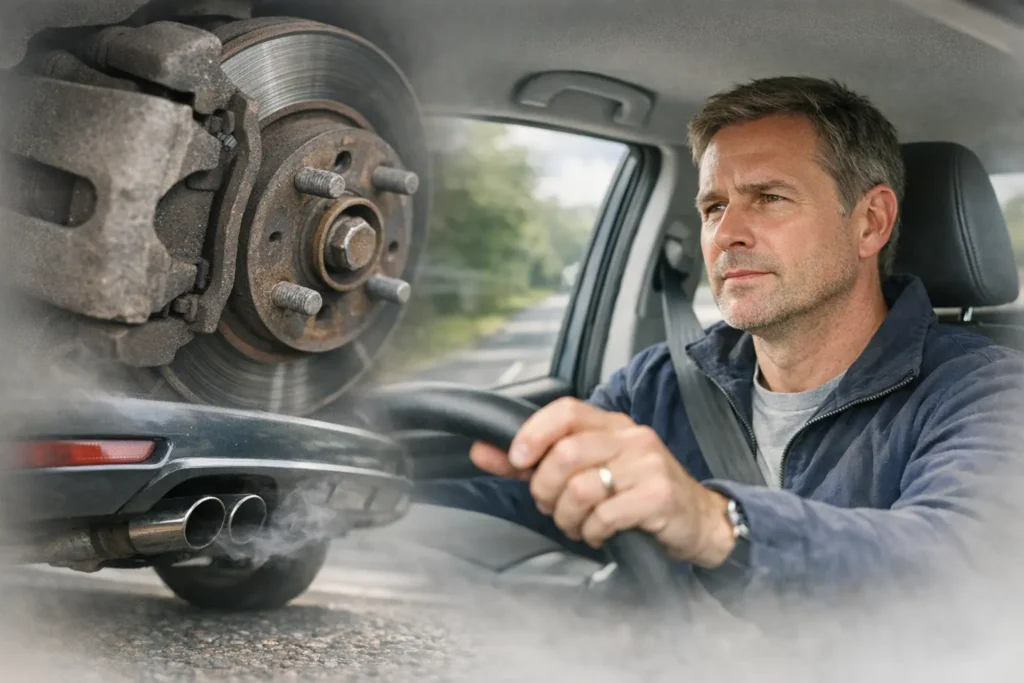
Rattling or squealing sounds often come from worn brake components, auxiliary belts, or exhaust heat shields. Cold weather can make these noises more noticeable as materials contract.
If new noises appear, early inspection helps prevent wear from turning into more expensive repairs. Book a free vehicle safety check at your nearest garage before a seemingly simple issue could become an expensive repair.
9. Why does my car smell when I’m driving?
Smells can indicate several things, depending on the type.
Burning smells may be linked to brakes or clutch components, while fuel or exhaust smells can point to leaks or emissions issues. Persistent or strong smells should always be checked promptly.
Many drivers search this question after noticing a change rather than a failure, which makes early checks particularly effective. Fortunately for UK drivers, all Elite Garages branches provide services for:
Common Car Questions About Mileage & Usage
10. Is low mileage bad for a car?
Low mileage isn’t harmful by itself, but low mileage combined with repeated short journeys can be.
Cars that don’t regularly reach full operating temperature are more prone to moisture build-up, battery drain, and corrosion in exhaust and braking systems. Over time, this can lead to more problems than regular longer use.
This misconception is one of the most common reasons drivers are surprised by winter car issues.
11. How long should I drive my car to keep it healthy?
There’s no fixed distance, but in winter most cars need around 15–20 minutes of driving to reach full operating temperature.
This allows engine oil to circulate properly, moisture to evaporate, and the battery to recharge after starting. Extended idling is not an effective substitute — gentle driving warms the car more efficiently.
According to UK government road-safety guidance from Think!, regular checks and understanding how your vehicle is used are key to reducing preventable faults.
12. Is it bad to only drive short distances?
Driving short distances isn’t wrong, but doing so repeatedly, especially in winter, increases wear on batteries, exhaust systems, and emissions components.
Many of the car problems drivers search for stem from this usage pattern rather than sudden faults. Awareness and occasional longer drives help offset the impact. This topic is explored further in our guide to driving habits that could damage your car.
Common Car Questions About Safety, Servicing & Legal Checks
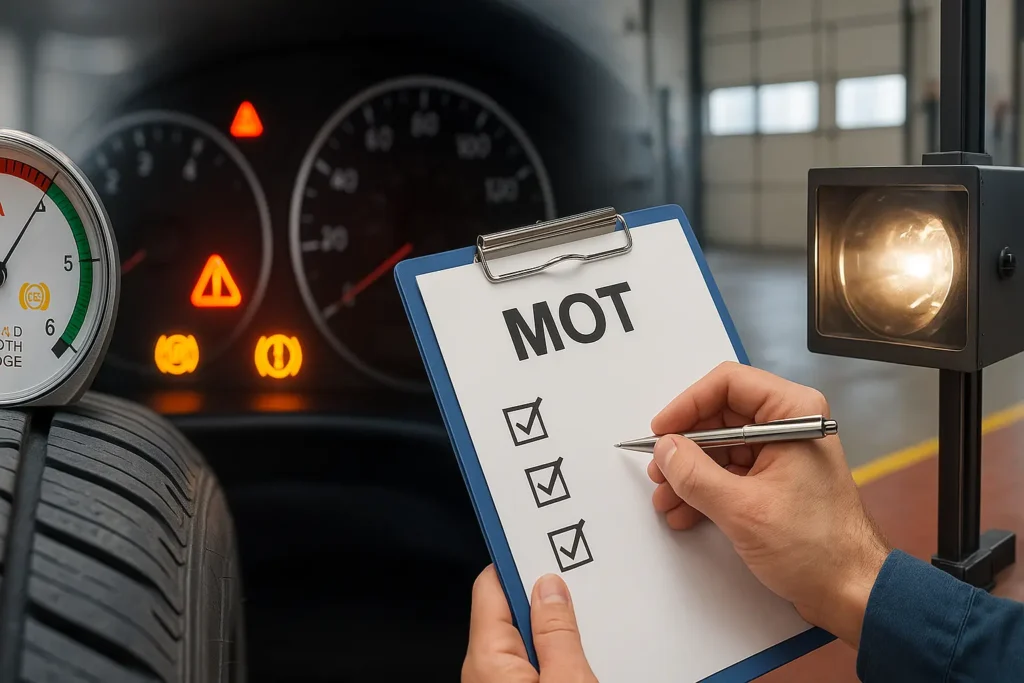
13. How often do I need an MOT?
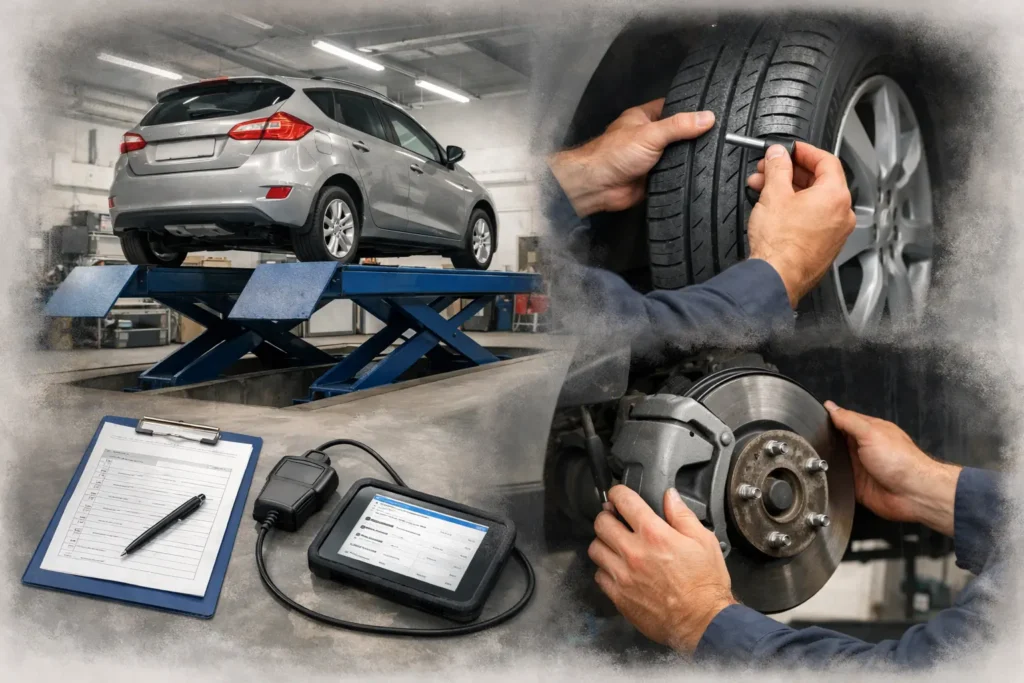
In the UK, cars over three years old require an MOT every 12 months. The test covers safety-critical and environmental components such as brakes, tyres, lights, steering, suspension, seatbelts, and exhaust emissions.
Beyond the legal requirement, an MOT often highlights developing issues before they become serious or expensive. Worn tyres, weakening brakes, suspension wear, and emissions problems are commonly identified at MOT time, even when a car appears to be driving normally. Keeping MOTs up to date helps drivers stay ahead of faults rather than reacting to breakdowns or warning lights later.
14. What happens if I miss a car service?
Missing a service doesn’t usually cause immediate failure, but it increases the risk of wear going unnoticed. Engine oil degrades over time, filters become less effective, and small issues can develop into larger problems if they aren’t identified early.
Skipping services can also affect manufacturer warranties on newer vehicles and may reduce long-term reliability. This is particularly relevant for cars used mainly for short journeys, where components such as batteries, brakes, and exhaust systems experience more stress despite low mileage. Regular servicing helps maintain performance, efficiency, and safety even when the car isn’t driven far.
15. How often should a car be serviced if it’s not driven much?
Cars that aren’t driven often still need regular servicing, typically based on time rather than mileage. Fluids such as engine oil, brake fluid, and coolant degrade with age, not just use. Batteries slowly discharge, seals can dry out, and moisture can build up in exhaust and braking systems.
For low-use vehicles or cars that mainly do short journeys, annual servicing or periodic inspections are often recommended even if mileage is low. These checks help catch battery weakness, corrosion, and wear early, preventing minor age-related issues from becoming more costly repairs later on.
The best way to detect potential issues, and repair them, is through regular car servicing. A clear demonstration of this is a real-life test case of a 250,000-mile BMW from YouTuber, Joe Achilles in collaboration with Elite Garages.
What These Common Car Questions Tell Us
Most common car questions aren’t really about faults. They’re about patterns. Cold weather, short journeys, low mileage, and modern vehicle systems interact in ways many drivers aren’t aware of. When those patterns change, particularly in winter, cars respond. Understanding why these popular car-related questions come up helps drivers make informed decisions, avoid unnecessary repairs, and keep their vehicles reliable year-round.
For many drivers, the difference between a minor concern and a costly repair is simply knowing when to have something checked. If something doesn’t feel right, booking a professional inspection or routine car service at Elite Garages can provide clarity and reassurance before small issues escalate.


