



What Every Driver Should Know About Pothole Damage
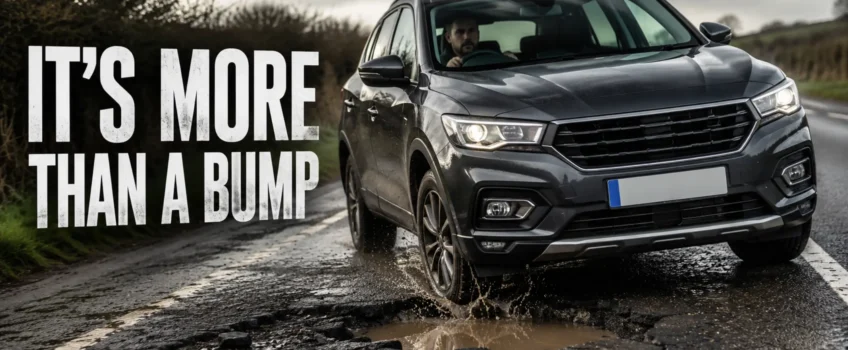
Many drivers don’t need convincing that Britain’s roads have deteriorated. With that comes a growing risk of pothole damage, affecting far more than just your tyres. Wheel alignment, suspension, steering components and even alloy wheels can all suffer after hitting what appears to be nothing more than a hole in the road.
According to the Asphalt Industry Alliance’s 2026 ALARM survey, local authorities in England and Wales face a record £18.62 billion backlog of road repairs, with around one in six local roads estimated to have less than five years of structural life remaining.
The problem is that pothole damage isn’t always immediately obvious. You don’t have to hit a pothole very hard to damage your car, and in many cases the effects only become noticeable days or even weeks later. Some of these effect could be your steering no longer feeling quite right, the tyres starting to wear unevenly or you have an unexpected repair bill.
Understanding pothole damage, what causes it and the warning signs to look for can help you spot problems early and potentially avoid more expensive repairs.
What Is Pothole Damage?
Pothole damage refers to any damage caused when a vehicle strikes a pothole or severely uneven section of road.
The impact can transfer a considerable amount of force through the tyre into the wheel, suspension and steering components. Depending on the speed, the depth of the pothole and the type of vehicle, the effects can range from minor tyre damage to bent wheels or suspension problems.
The good news is that not every pothole causes serious damage.
The challenge is knowing when a seemingly minor impact deserves a closer inspection.
How Pothole Damage Affects Your Tyres
Your tyres are the first part of the vehicle to absorb the impact.
Sometimes the damage is immediately obvious, such as a puncture or a bulge in the tyre’s sidewall. In other cases, there may be no visible damage at all, even though the internal structure of the tyre has been weakened.
You should inspect your tyres if you notice:
- Sidewall bulges
- Cuts or splits
- Rapid pressure loss
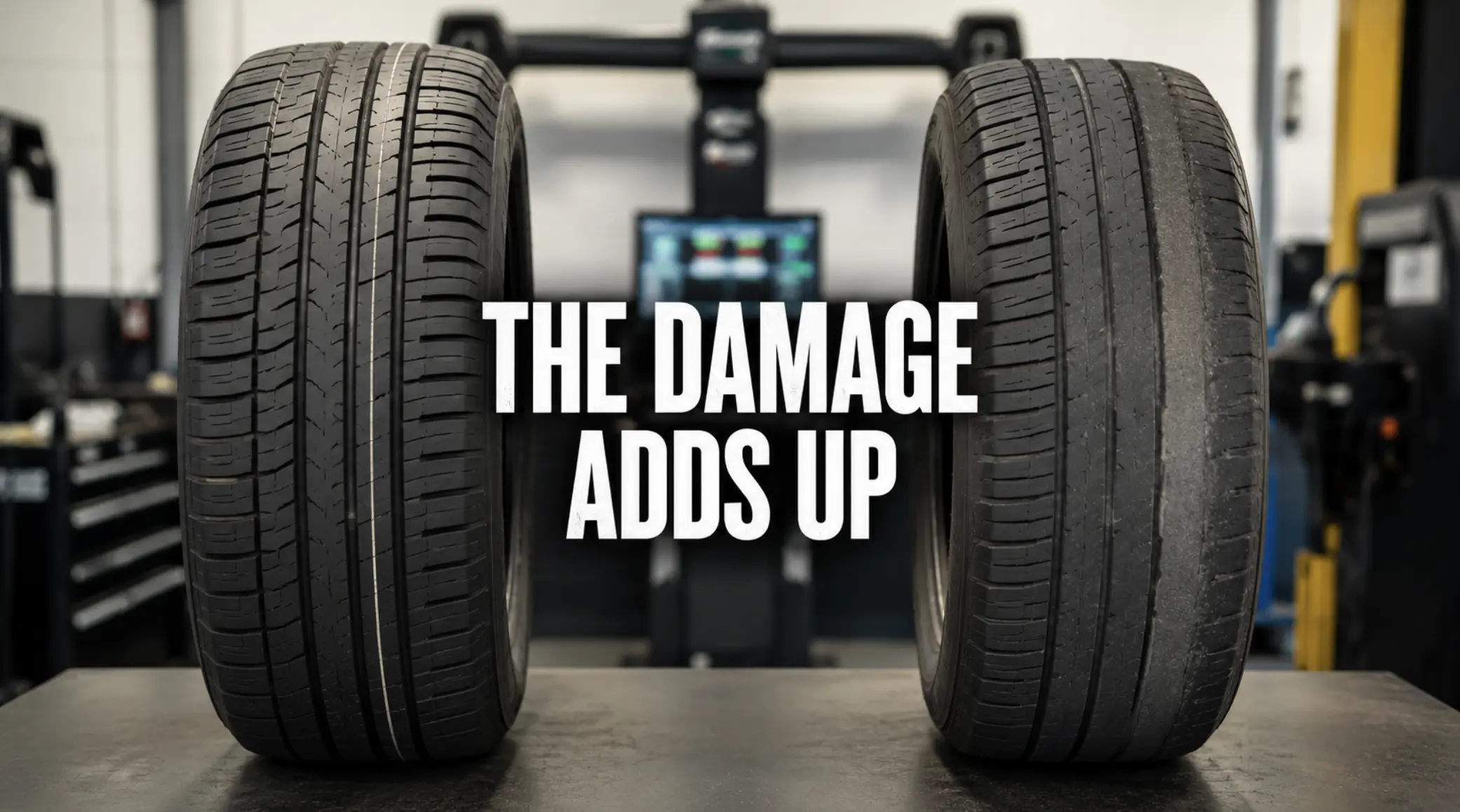
- Uneven tread wear
- Visible damage to the wheel rim
Even if everything appears normal, it’s worth keeping an eye on tyre wear over the following weeks, as hidden alignment issues may only become apparent over time.
Recommended: How Long Should Tyres Normally Last?
Can Pothole Damage Affect Wheel Alignment?
Absolutely. In fact, one of the most common consequences of pothole damage is wheel misalignment.
Wheel alignment determines how your tyres meet the road so even a relatively small change can affect steering, tyre wear and vehicle stability.
Common signs include:
- The steering wheel no longer sits straight
- The vehicle pulls to one side
- Uneven tyre wear
- Reduced steering precision
Many drivers continue using their vehicle without realising the alignment has changed, only discovering the problem when their tyres wear out far earlier than expected.
If you suspect your alignment may have been affected, a professional wheel alignment check can quickly identify whether the geometry has changed.
Suspension And Steering Damage Isn’t Always Obvious
Modern suspension systems are designed to absorb bumps and keep tyres in contact with the road.
A significant pothole impact can place enormous stress on components including:
- Shock absorbers
- Suspension arms
- Ball joints
- Track rod ends
- Steering components
Damage isn’t always immediate or dramatic.
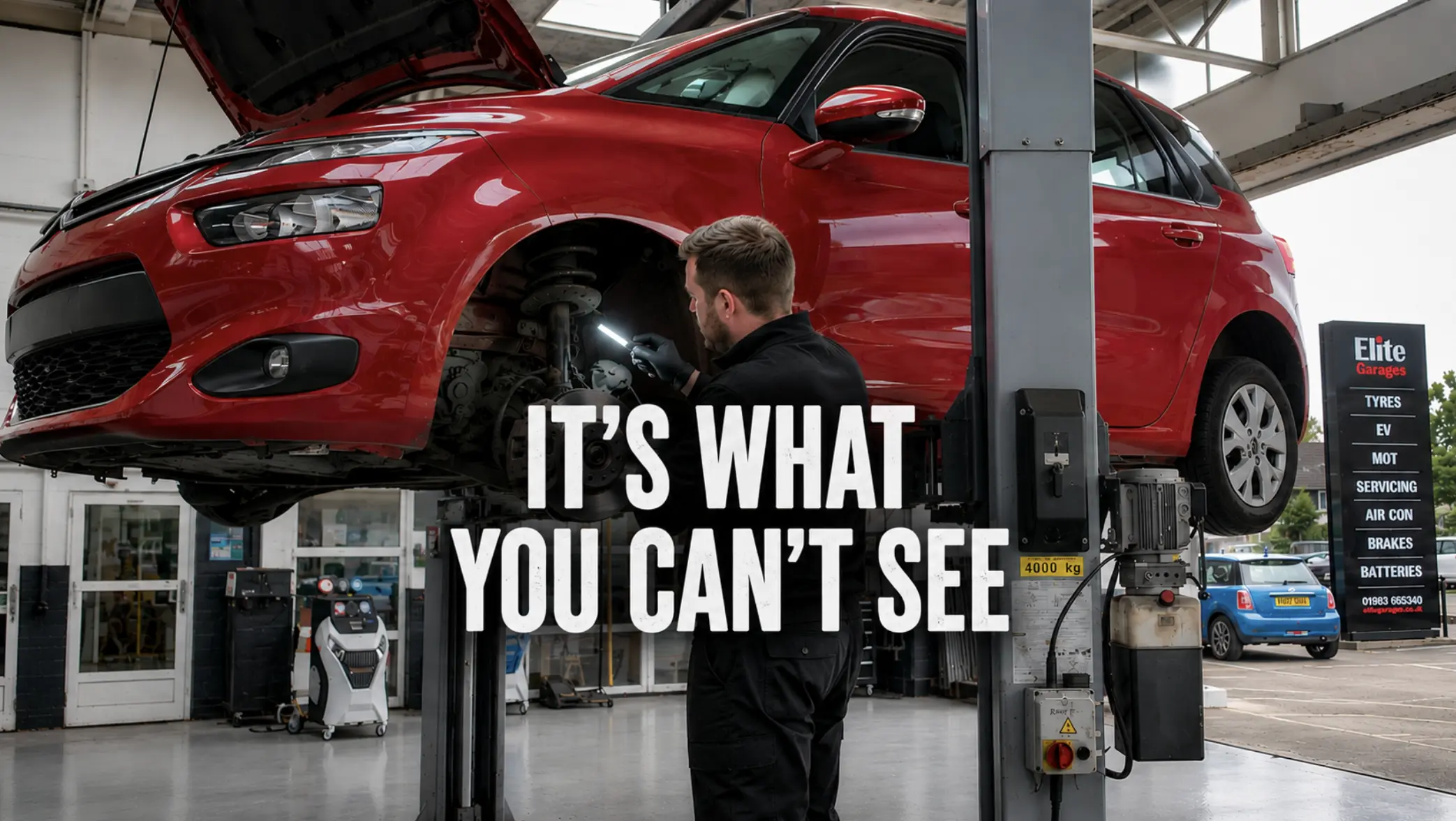
Instead, drivers often notice subtle changes such as increased vibration, knocking noises, less precise steering or a vehicle that simply doesn’t feel quite the same as before.
Because these symptoms can develop gradually, many people never associate them with the pothole they hit several weeks earlier.
Why Modern Cars Are More Vulnerable Than Older Vehicles
Many drivers feel that potholes are becoming more expensive than they used to be and in many respects, they’re right.
Modern cars often feature:
- Larger alloy wheels
- Lower-profile tyres
- More sophisticated suspension systems
- Heavier vehicle weights
- Advanced driver assistance systems (ADAS)
These developments improve comfort, handling and safety, but they also reduce the amount of tyre sidewall available to absorb impacts and increase the number of components that can potentially be affected.
That’s one reason why pothole damage has become a more common cause of wheel alignment issues and suspension inspections.
If you’ve recently had new tyres fitted and your car now feels different to drive, this article explains some of the possible reasons.
What Should You Do After Hitting A Pothole?
If you hit a pothole, there’s no need to panic, but it’s worth paying attention to how the car behaves afterwards.
If it’s safe to do so, inspect your tyres and wheels for obvious signs of damage. Look for cuts, bulges, cracks in the alloy wheel or anything that appears unusual.
Over the next few journeys, pay attention to how the vehicle feels. If you notice the steering wheel is no longer straight, the car pulls to one side, vibrations develop or new noises appear, it’s sensible to have the vehicle inspected.
Ignoring pothole damage can sometimes turn a relatively minor issue into a much more expensive repair.
Can Pothole Damage Affect ADAS Systems?
On many modern vehicles, yes.
Many ADAS features rely on cameras, radar sensors and precise vehicle geometry to function correctly. If a significant pothole impact affects your wheel alignment, steering or suspension, it can also influence how accurately these systems operate.
Features such as Lane Keeping Assist, Adaptive Cruise Control and Autonomous Emergency Braking all depend on components being correctly aligned. While a pothole won’t automatically mean your vehicle needs ADAS calibration, it’s worth having the system checked if you’ve experienced a heavy impact, warning lights appear or the vehicle no longer drives as it should.
If your vehicle has Advanced Driver Assistance Systems (ADAS) and you’ve hit a deep pothole, it’s worth considering an ADAS calibration, especially if you’ve also needed wheel alignment, suspension repairs or you’ve noticed warning lights or changes in the way the vehicle drives.
ADAS calibration is available at selected Elite Garages branches in Fareham, Salisbury, and Southampton.
When Should You Have Your Car Checked?
You don’t need to wait until something fails.
It’s worth arranging an inspection if you notice:
- The steering wheel isn’t centred
- The vehicle pulls left or right
- New vibrations through the steering wheel
- Knocking or clunking noises
- Uneven tyre wear
- A loss of tyre pressure after impact
Even if everything appears normal, a tyre safety inspection provides reassurance that hidden damage hasn’t been overlooked.
Elite Garages offers professional tyre safety checks to identify tyre damage, uneven wear and other issues before they become more serious.
Can You Claim Compensation For Pothole Damage?
Possibly.
If your vehicle has suffered pothole damage, you may be able to claim compensation from the organisation responsible for maintaining the road. In England, this could be your local council, National Highways or another highway authority, depending on where the incident occurred.
If you’re considering making a claim, it’s worth gathering as much evidence as possible, including:
- Photographs of the pothole and your vehicle’s damage
- The exact location of the incident
- The date and time it happened
- Repair invoices or inspection reports
- Details of any witnesses, if available
It’s also a good idea to report a pothole as soon as possible, even if you don’t intend to make a claim. This helps alert the relevant authority to a potentially dangerous defect and creates a record that the pothole has been reported, which may also be relevant if you later decide to make a compensation claim.
It’s important to remember that compensation isn’t automatic. Highway authorities have a legal duty to maintain public roads, but they may reject a claim if they can demonstrate they had a reasonable inspection and maintenance programme in place under Section 58 of the Highways Act 1980.
What This Means For Drivers
Potholes are an unavoidable part of driving on many UK roads, but the damage they cause isn’t always immediately obvious.
A single impact can affect far more than just the tyre itself, potentially leading to wheel alignment problems, suspension wear and increased running costs if left unchecked.
Having your vehicle inspected after a significant pothole strike can often identify small problems before they become expensive ones, helping to keep your car safe, comfortable and performing as it should.
For independent advice or to book a tyre safety inspection or wheel alignment check, find your nearest Elite Garages branch.
FAQS
Click the + to read any answer or visit our most FAQ page to review the most frequently asked questions across all our Elite Locations.
If you click on a ‘Category’ or ‘Tag’ link, the page will ‘refresh’ and reload the page showing the top of the page first, you’ll then just need to scroll down to the FAQ section to see the results for the Category or Tag you selected.
Category:
Potholes and Tyre Damage
It can. If a pothole has damaged suspension, steering or tyres, these issues could result in an MOT advisory or even a failure, depending on their severity. Having your vehicle checked after a significant impact can help identify problems before your next MOT.
Category:
Potholes and Tyre Damage
Yes. A pothole can bend or crack an alloy wheel even if the tyre doesn’t lose pressure. In some cases, the damage isn’t immediately obvious but may cause vibrations, slow air leaks or difficulty balancing the wheel later. If you’ve hit a deep pothole, it’s worth having both the tyre and wheel inspected.
Category:
Potholes and Tyre Damage
You can’t always avoid potholes, but keeping your tyres inflated to the manufacturer’s recommended pressures, maintaining a safe distance from the vehicle in front and reducing speed on poorly maintained roads can all help lessen the impact. Avoid braking heavily at the exact moment you hit a pothole, as this can increase the force transferred through the suspension.


