



Tavistock Car Exhaust
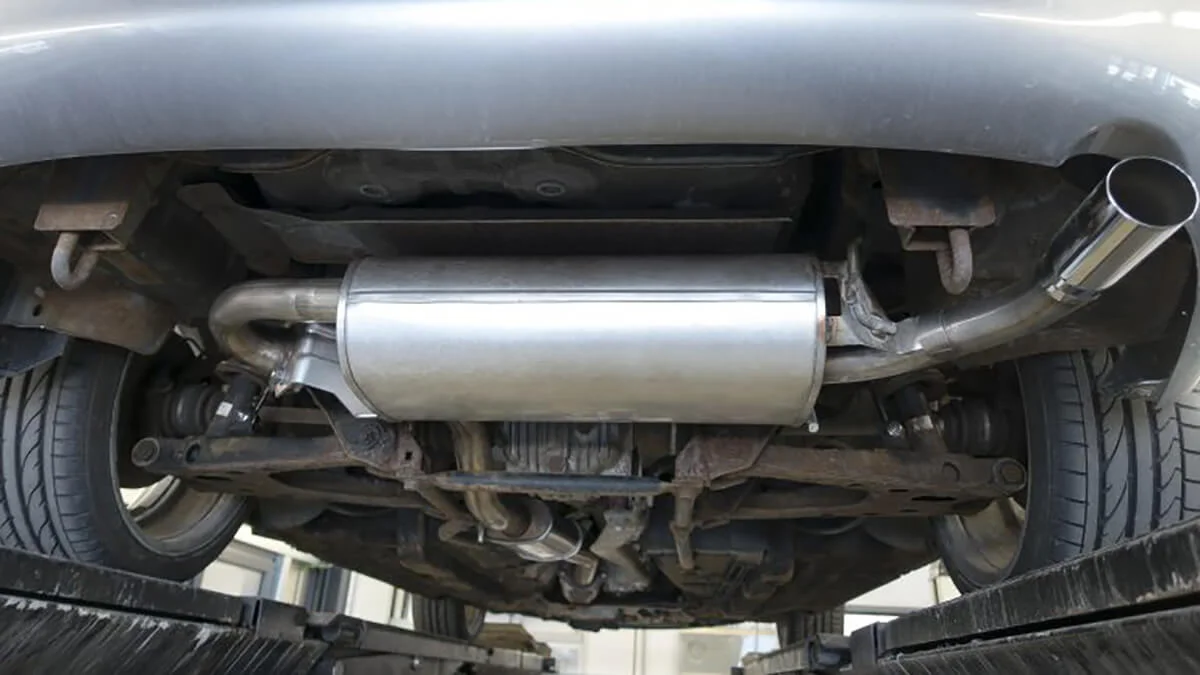
Car Exhaust System Components and Mountings
The exhaust system is one of the hardest-working parts of your vehicle, yet it’s rarely seen. Running the full length underneath the car, it quietly manages emissions, controls noise, and helps the engine operate efficiently.
Because it sits out of sight, problems often develop gradually. By the time something becomes noticeable, the issue has usually been building for a while.
At Elite Garages Tavistock, we carry out free exhaust checks to identify wear early and help keep your vehicle running cleanly and efficiently.
What Your Exhaust System Is Actually Doing
While it might seem like a simple pipe, the exhaust system is made up of several components working together. Combined, they direct gases safely away from the engine, reduce emissions, and control noise levels. When one part begins to fail, it can affect how the entire system performs.
These components usually include: the following
- exhaust manifold
- catalytic converter
- pipework and joints
- silencers
- mounting brackets
Why Exhaust Systems Wear Out Over Time
Exhaust systems are exposed to constant heat, moisture and road conditions, which makes wear unavoidable.
Most systems last around five years, but this can vary depending on how the vehicle is used. In areas like Tavistock, factors such as uneven roads, short journeys and exposure to moisture can all speed up deterioration.
Common causes of wear include:
- Corrosion from water and road salt
- Repeated short journeys where condensation builds up
- Impact from potholes or rough surfaces
- General ageing of materials over time
Because these issues develop gradually, they are often missed until performance changes.
How to Tell If Something Is Not Quite Right
Exhaust issues rarely start with a single obvious fault. More often, they show up through small changes in sound, performance or feel.
You might notice one or more of these:
- car sounding louder than usual
- change in engine tone under acceleration
- drop in fuel efficiency
- visible rust or damage underneath the vehicle
- fumes or smoke from the exhaust
- vibrations while driving
These signs are often early indicators that something within the system needs attention.
What Different Exhaust Noises Can Mean
Changes in sound can often give a clue as to where the issue is coming from.
- Hissing sound may suggest a leak or cracked component
- Deeper or louder tone can point to a worn silencer
- Rattling is often caused by loose brackets or mounts
- A low humming or vibration may indicate something has shifted out of place
While these sounds can vary, they are usually a sign that the system is no longer operating as it should.
Why It’s Worth Checking Sooner Rather Than Later
Exhaust issues don’t tend to fix themselves. Left unchecked, small faults can develop into larger problems that affect both performance and emissions.
Early inspection can help to:
- Prevent more extensive damage
- Maintain fuel efficiency
- Keep emissions within legal limits
- Avoid unexpected MOT failures
A quick check now is often far simpler than dealing with a larger repair later.
Tavistock Attractions: Things to Do While You Wait
- Tavistock Heritage Trail: Self-guided walking route through the town, highlighting historic buildings and local landmarks.
- Pixon Lane Car Park Riverside Walk: Short riverside walk along the River Tavy, ideal for a quick break with some fresh air.
- Tasty Kings Kebab: Casual takeaway-style spot for a quick and convenient bite while you wait.