



Cirencester Car Exhaust
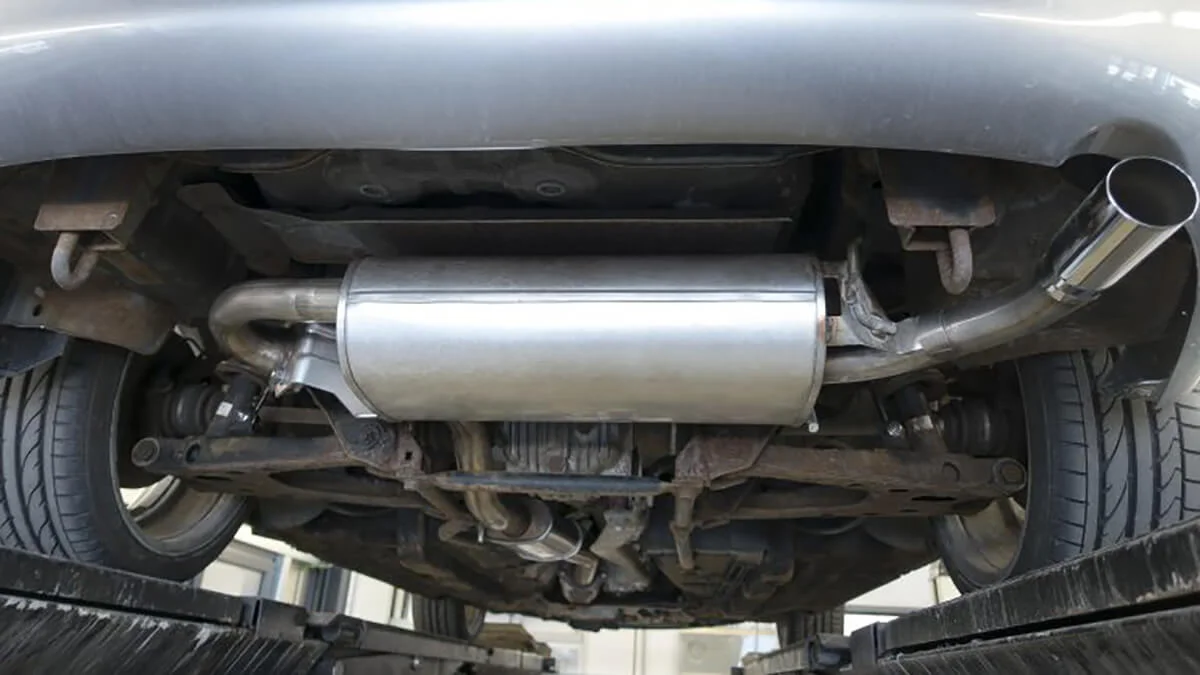
Car Exhaust System Components and Mountings
Exhaust problems don’t always announce themselves straight away. In many cases, it’s a gradual change — slightly more noise, a drop in fuel efficiency, or a vibration that wasn’t there before.
At Elite Garages Cirencester, exhaust inspections help identify these early signs, allowing faults to be resolved before they affect performance or lead to more costly repairs.
Your exhaust system plays a key role in managing emissions, reducing noise and supporting overall engine efficiency. Elite Garages Cirencester offers FREE exhaust checks to identify issues early and help you avoid potentially costly repairs in the future.
How the Exhaust System Supports Your Vehicle
The exhaust system runs along the underside of your vehicle and is made up of several connected components.
These include:
- exhaust manifold
- catalytic converter
- exhaust pipes
- silencers (mufflers)
- mounting brackets and hangers
Together, these parts safely direct exhaust gases away from the engine, reduce harmful emissions and control noise levels. Because the system is exposed underneath the vehicle, it is more vulnerable to corrosion and damage over time.
Early Signs of Exhaust Issues
Exhaust faults often develop gradually, but there are clear indicators to watch for:
- louder or unusual exhaust noise
- rattling or vibrating sounds
- visible rust or corrosion
- reduced fuel efficiency
- fumes or smoke from the exhaust
- knocking or contact sounds underneath the vehicle
Serious damage can also occur from impacts with potholes, kerbs or speed bumps.
Early Signs of Exhaust Issues
Exhaust faults often develop gradually, but there are clear indicators to watch for:
- louder or unusual exhaust noise
- rattling or vibrating sounds
- visible rust or corrosion
- reduced fuel efficiency
- fumes or smoke from the exhaust
- knocking or contact sounds underneath the vehicle
Damage can also occur from impacts with potholes, kerbs or speed bumps.
What Do Different Exhaust Noises Mean?
Changes in sound can often help identify the issue:
- hissing may indicate a small leak or crack
- rattling is often caused by loose mounts or components
- roaring could suggest a failing silencer
- deep rumbling is typically linked to corrosion or internal damage
These sounds are often the first sign that something needs attention.
How Long Does an Exhaust Repair Take?
The time required depends on the nature of the issue and although most work can be completed within the same day, here’s a general guide:
- inspections usually take 20–30 minutes
- minor repairs may take around 1 hour
- full exhaust replacements can take 1 to 2 hours
Why Exhaust Checks Are Important
Early inspection helps keep repairs simple and cost-effective, but ignoring exhaust issues can lead to:
- increased emissions
- reduced fuel efficiency
- potential MOT failures
- further damage to surrounding components
Cirencester Attractions: Things to Do While You Wait
- Cirencester Market Place: A central spot with shops and local activity, ideal for a short visit.
- The Long Table Cirencester: A casual dining space offering a relaxed environment while you wait.
- Siddington Village Walks: A quieter option just outside town, suitable for a short countryside walk.